

Whether it’s to help prevent pancreatitis or to manage weight, there are multiple reasons why your vet may recommend a low-fat dog diet for your pup. But many commercial foods labeled “low fat” simply replace the fat with high levels of carbohydrates, which may not be the best nutritional choice for your dog.
So what exactly makes a dog diet “low-fat”? Why would a vet recommend one? And how can concerned pet parents make sure their dog’s new diet is both low-fat and nutritionally complete? Our resident veterinarian, Dr. Dody weighs in.
What does a “low-fat” dog diet actually mean?
“Whether a dog diet is low, moderate, or high fat depends on what percentage of their food is fat,” Dr. Dody said. “This percentage may be given as a percent of the weight of the food or as a percent of the total calories of the food.”
A low-fat dog diet is less than 10% fat by weight. If you’re looking at calories, a dog diet is considered low-fat if it gets less than 17% of its calories from fat.
Why your vet may recommend a low-fat dog diet
“When you hear ‘low-fat diet’ you might think ‘a diet for weight loss,’ but that’s only part of the picture when it comes to low-fat diets for dogs. Actually,” Dr. Dody said, “there are several reasons why your vet may recommend a low-fat dog diet. Of the top three reasons for this recommendation, only one of them is connected to weight.”
Here are the most common health conditions and concerns that might lead your veterinarian to recommend a low-fat diet for your dog.
1. Pancreatitis
If your dog’s diet contains too many rich or fatty foods, they can develop pancreatitis. This condition is incredibly painful and can also cause gastrointestinal issues like poor appetite, nausea, vomiting, and diarrhea as well as lethargy and fever.
If your dog develops pancreatitis, your vet will most likely recommend a permanent low-fat and low-protein diet to keep it from happening again.

That being said, an ounce of prevention is worth a pound of cure when it comes to pancreatitis. It’s wise to limit the amount of rich or fatty foods you give your pup to lower their risk of developing this condition.
Also, dogs who have a sensitive GI tract can be more at risk for pancreatitis, so if your dog falls into that category your vet may recommend a lower-fat diet as a preventative step.
2. Liver Disease
Dogs with liver issues may have difficulties processing fat. This in turn puts extra strain on their digestive system.
If your dog has liver problems, your vet may recommend a lower-fat diet to ease the burden on your dog’s liver and digestive system.
3. Weight Management
If a dog is overweight or obese, their vet may recommend a lower-fat diet.

Weight loss should always be done under the supervision of a veterinarian. Safe weight loss is slow and steady, with your dog eating fewer calories while still getting the nutrients they need to stay healthy. This does include a certain amount of fat, which is necessary for energy and for your dog to absorb fat-soluble vitamins like Vitamins A, D, E, and K.
Low-fat dog diet options
Once your vet has recommended a low-fat diet for your dog, your first instinct might be to search for a commercial “low-fat” dog food. However, there are good reasons to consider a low-fat homemade dog diet instead.
NOTE: We are not saying that a pet parent should replace prescription low-fat dog food with homemade dog food. If a dog has been prescribed a specific food, any changes in their diet must be discussed with their veterinarian. However, homemade dog food can be a healthier alternative to non-prescription low-fat dog food.
The problem with many commercial low-fat dog foods
Not all low-fat dog foods are created equal, with some commercial low-fat formulas reaching their lower fat percentages in less-than-ideal ways.
As we mentioned above, fat provides a concentrated source of energy and supports several important functions in the body, including the absorption of fat-soluble vitamins. When manufacturers reduce fat in a formula, they need to replace those calories with something else to keep the food palatable and calorie-dense enough for a dog’s needs.

In many cases, that “something else” ends up being carbohydrates.
Why replacing fat with carbohydrates isn’t always ideal
Don’t get us wrong - we aren’t saying carbs are inherently bad for dogs. Dogs are omnivores and can digest carbohydrates just fine. But exchanging fats for carbs shifts the balance of the diet, and that shift may not reflect how dogs naturally get energy from their food.
Let’s start with the carbs. Carbohydrates are frequently used in commercial dog foods because they are cheap, shelf-stable, and help form kibble. Depending on the formula, dry dog food can contain 30-70% carbohydrates.
When fat is reduced in these foods, manufacturers often turn to carbs like grains, starches, or flours to make up for the lost calories.
From a nutrition standpoint, this can have a few downsides.
To start with, a dog’s body uses fat and carbohydrates differently. Fat provides a dense energy source and helps maintain skin and coat health, while carbohydrates primarily supply quick energy.

When a diet becomes disproportionately high in carbs, it can change how the dog processes and uses energy from food.
One research study looked at how altering the balance between carbohydrates, fat, and protein in a dog’s diet affected them. The researchers found it significantly influences the dog’s hormones and metabolism.
Another study found that diets high in carbs were associated with increased blood sugar and cholesterol when compared with diets richer in protein and fat.
None of this means carbohydrates should be eliminated from your dog’s diet. However, it does highlight why simply removing the fat and replacing it with large amounts of carbohydrates isn’t always the most balanced nutritional strategy.
The advantages of a homemade low fat dog diet
One of the biggest advantages of homemade feeding is transparency. You can see exactly what nutrient-rich, whole-food ingredients are going into your dog’s bowl.
This can make it much easier to:
- choose lean protein sources
- adjust fat levels carefully
- avoid unnecessary fillers or excess carbohydrates
- customize meals to your dog’s taste preferences
As Dr. Dody, a member of our veterinary team, often points out: “When you start with whole food ingredients, you can create a diet that’s naturally lower in fat without having to dramatically increase the levels of carbs.”

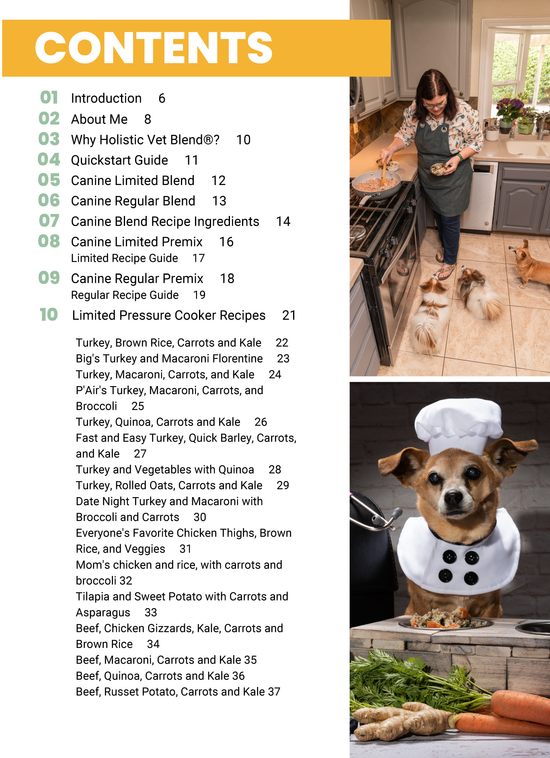
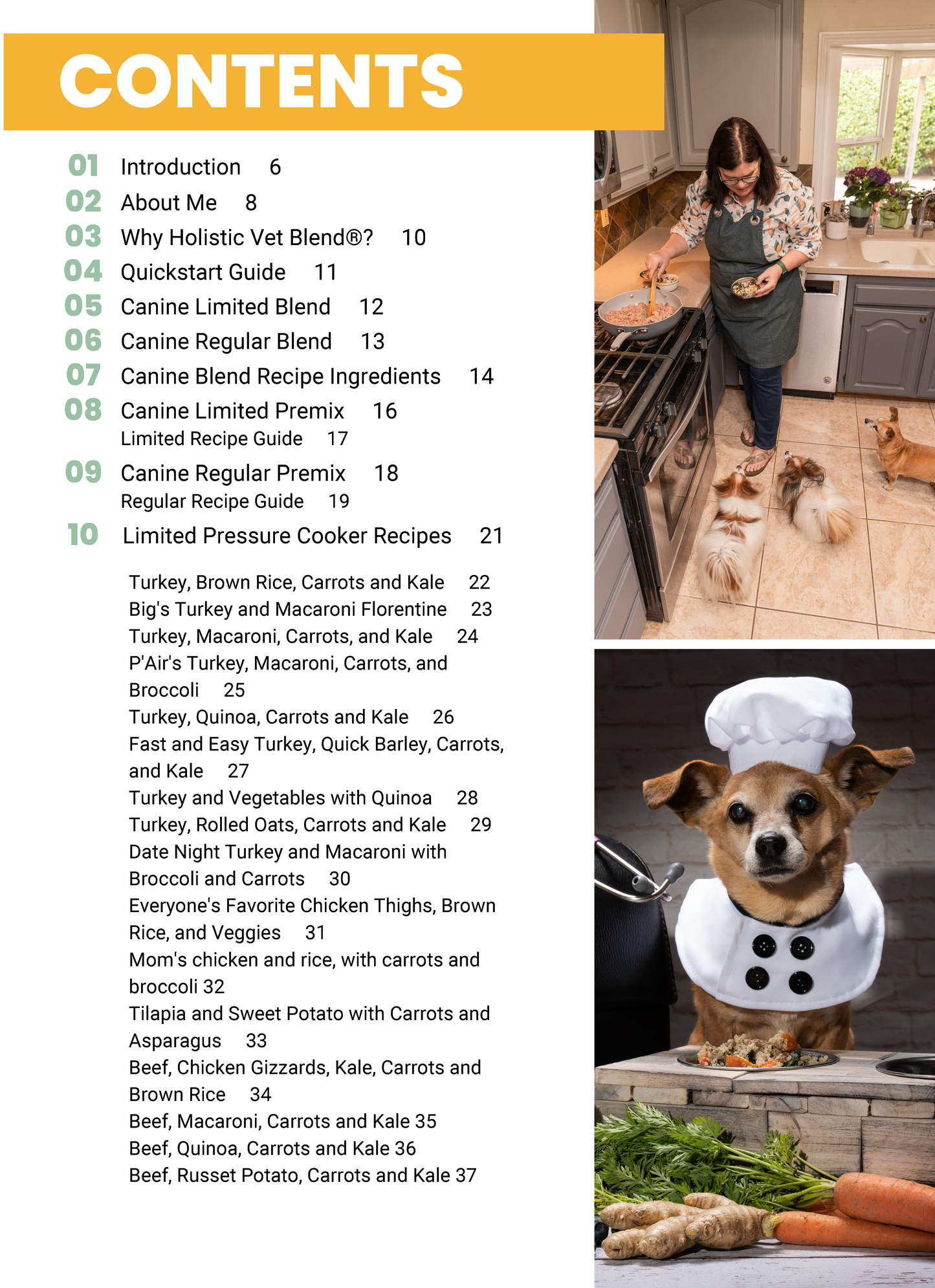
For example, one of the recipes she helped create relies on 99% lean ground turkey for a pup-approved meal that’s around 9% fat by weight (well within the range considered low-fat for dogs).
Using lean proteins allows you to maintain a balanced nutritional profile in your dog’s food while still keeping overall fat levels modest. These lean proteins include:
- extra-lean ground turkey (99% lean)
- skinless chicken breast
- extra-lean ground beef (96% lean)
- white fish
But there’s one thing remaining to turn a low-fat homemade dog food into a well-balanced low-fat dog diet.
How a premix helps keep homemade low-fat dog diets balanced
While homemade dog diets offer flexibility and control, they do come with an important responsibility: ensuring the diet is nutritionally complete.
Dogs require a wide range of essential nutrients including vitamins, minerals, trace elements, and amino acids. When meals are prepared from scratch using only meat and vegetables (and prepared without a veterinarian-approved recipe), it can be easy for certain nutrients to fall short over time.
That’s where a veterinarian-formulated premix comes into play.
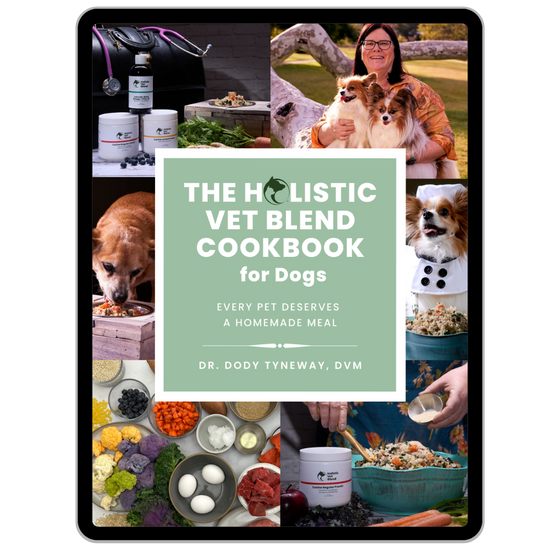
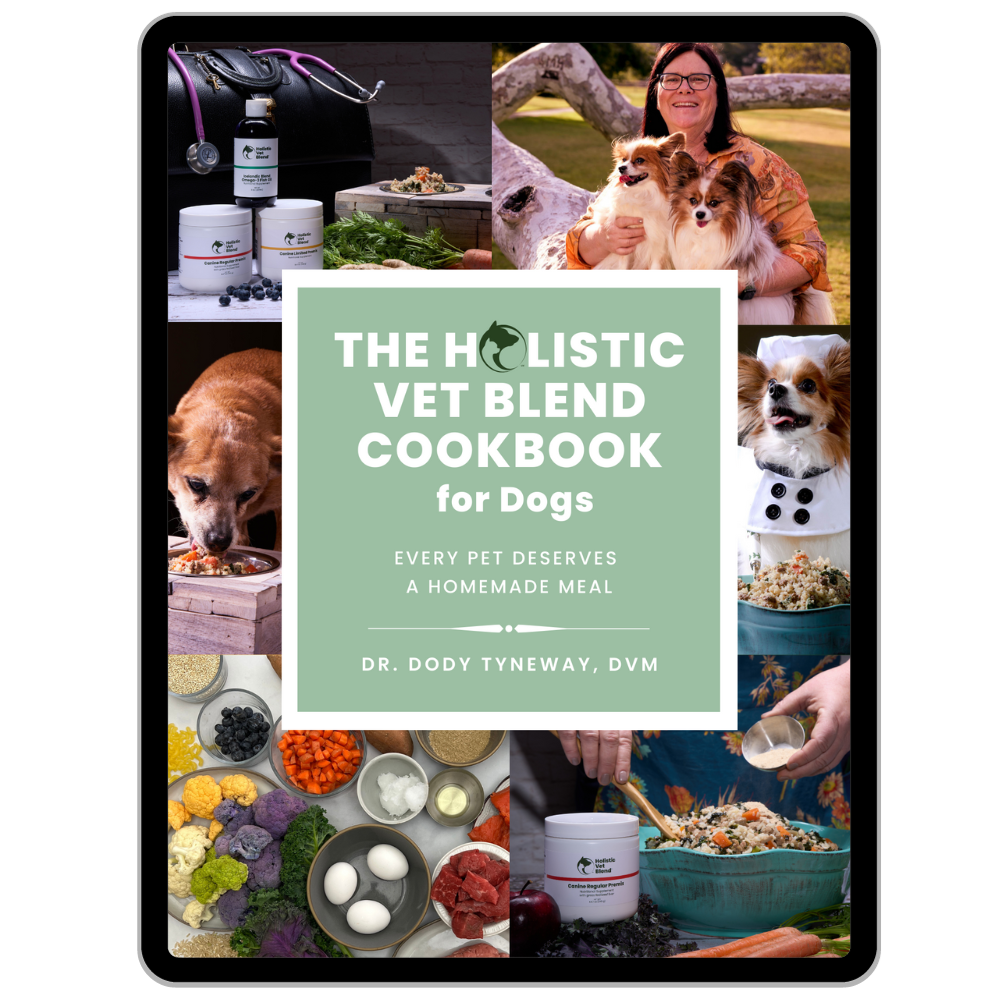
Holistic Vet Blend Canine Regular Premix was designed to be combined with fresh, whole food ingredients to create nutritionally balanced homemade meals. Instead of requiring pet parents to measure and source dozens of individual supplements, the premix provides a carefully balanced blend of essential nutrients.

When paired with lean proteins and appropriate recipes, a premix helps ensure that even a lower-fat homemade diet will still meet your dog’s nutritional needs.
In other words, you can focus on selecting quality ingredients while the premix supports the overall nutritional balance of the meal.
To help you get started, here’s a naturally low-fat turkey recipe from Dr. Dody.
Easy Low-Fat Turkey Dinner for Dogs
Time: 30–35 minutes
Yield: 15 cups | 216 calories per cup
INGREDIENTS
3 lbs 99% lean ground turkey
1 ¾ cups quinoa, uncooked
3 cups carrots, chopped
2 cups broccoli, chopped
2 tbsp Holistic Vet Blend Canine Limited Premix
2 tsp Holistic Vet Blend Fish Oil
DIRECTIONS
Cook quinoa according to package directions.
Cook ground turkey in a pan over medium heat until fully cooked.
Steam carrots and broccoli until soft.
Combine cooked turkey, quinoa, and vegetables in a large bowl.
Allow mixture to cool completely.
Stir in premix and fish oil until evenly mixed.
Conclusion
Whether it’s for weight management or pancreatitis prevention or something else entirely, switching your dog to a low-fat dog diet can seem daunting at first. But by following your veterinarian’s advice and considering a properly balanced homemade diet when appropriate, you’ll have your dog barking for joy in no time.