


Thinking about making homemade cat food but not sure where to start? Many pet parents worry it’s too complicated, too expensive, or that their picky cat won’t eat it.
That’s why we put together this guide with Dr. Dody, a member of our veterinary team. She knows how much healthier fresh food is than ultra processed for our cats, so she has spent years helping pet parents learn how to make homemade cat food in a simple, delicious, cost-effective way. In this guide, we’ll share why she often recommends cooking for cats, when it’s especially helpful, and what mistakes to avoid to put you on the path to homemade cat food success.
Why Dr. Dody recommends homemade cat food
From a veterinary perspective, nutrition is one of the most powerful tools we have to influence long-term health.
“Many commercial diets rely on processing methods that can impact nutrient integrity,” Dr. Dody said. “The biggest factor here is heat. For commercial food to sit on a store shelf for months but still stay safe to eat, it has to be heated to high temperatures. This high heat has an unwanted side effect - it can break down some of the nutrients in the food.

“Another major disadvantage of commercial foods is that they are basic. That is, they are formulated to meet basic requirements, but that doesn’t mean they support optimal health for every individual cat.”
Homemade cat food offers something different: control, freshness, and customization.
A properly balanced homemade diet allows you to:
- use fresh, whole-food ingredients
- cater to your cat’s tastes or preferences
- avoid unnecessary fillers or additives
- eliminate allergens, if necessary
- adjust nutrition based on your cat’s needs
- support healthy digestion and overall wellness
As Dr. Dody says, the goal isn’t just to meet “minimum requirements” but to help your cat truly thrive.
When cooking for your cat makes the most sense
While many cats can benefit from fresh food, there are certain situations where learning how to make homemade cat food can be especially helpful.
Cats with digestive sensitivities
If your cat experiences digestive problems like upset stomach, vomiting, or loose stools, first visit your veterinarian to rule out any underlying health problems that need treatment. In some cases, your vet may tell you that your cat simply has a sensitive digestive system.

If that is your situation, your cat may benefit from simplified, whole-food meals.
By controlling ingredients, you can reduce exposure to potential irritants and better support their gut health.
Food allergies or skin issues
If your cat is showing signs of itchy skin like excessive scratching or overgrooming, they may have an allergy or sensitivity. As we mentioned above with digestive issues, skin issues like these should first be evaluated by your veterinarian.
If your vet suspects a food allergy or sensitivity is the cause of your cat’s skin issues, they’ll likely recommend an “elimination” or “limited-ingredient” diet.
The idea is to cut out all possible allergens from your cat’s diet to see if the skin issues resolve. This will confirm the allergy or sensitivity. Then, under your vet’s direction, you slowly add ingredients back in to determine which one was to blame.

The control that comes with homemade diets makes them great for cats with food allergies or sensitivities. Allergens can hide in the fine print of a commercial food’s lengthy ingredient list, but you know exactly what goes into a vet-approved homemade meal.
Picky eaters
It’s become somewhat of a cliché at this point, but it’s true: cats can be picky. Over time, your cat may lose interest in processed food. Cats may also become more picky as they get older and dismiss foods they once loved.
Consistent eating is especially important for cats. Not only are regular, balanced meals necessary for a cat’s overall health, a cat’s body is so sensitive to a lack of food that not eating anything for 24 hours is actually a medical emergency.
Fresh meals can improve palatability and encourage more consistent eating for daily and long-term health.
Cats with chronic or age-related conditions
Customized nutrition may help support cats dealing with:
- weight issues
- conditions that are caused by or increase inflammation
- age-related issues
Inflammation is a common underlying factor in many feline health issues like inflammatory bowel disease or arthritis, for example. While diet is not a cure or a replacement for professional veterinary care, properly balanced, fresh nutrition may help reduce inflammation and support overall health.
As cats age, their nutritional needs can change. For example, older cats may need extra protein to combat loss of lean muscle. Or they may need food that is more nutrient dense or easier to digest to ease the burden on a less-efficient digestive system. Nutritious homemade diets can be adjusted to better support these changes.
“With chronic disease management,” Dr. Dody said, “nutrition is a vital part of the broader care plan. Many veterinarians support correctly prepared homemade diets as they allow for more precise control over ingredients and nutrient profiles, which can be helpful when supporting cats with complex or changing needs.”

What most pet parents get wrong about homemade cat food
The internet is a great source of information, but it’s sadly full of misinformation too. We here at Holistic Vet Blend want to make sure you have the best and most accurate information about how to make homemade cat food so you can avoid these common (and dangerous!) mistakes.
Mistake #1: Feeding “just meat”
Cats are obligate carnivores, but muscle meat alone is not nutritionally complete.
Imagine a cat living in the wild. When it hunts for food, it wouldn’t only eat its prey’s muscle meat. The cat would also eat the skin, bones, and organs, which provide vital nutrients.

A balanced feline diet must include:
- essential amino acids (like taurine)
- proper calcium-to-phosphorus ratios
- vitamins and trace minerals
Without these, deficiencies can develop even if the diet is “natural.”
Mistake #2: Skipping proper supplementation
Even high-quality ingredients don’t provide everything a cat needs on their own.
This is where veterinarian-formulated balancing tools (such as premixes designed for homemade diets) play an important role. They help ensure meals meet nutritional requirements without any guesswork. Because you never want to be guessing when it comes to your kitty’s health.
Mistake #3: Not following a consistent recipe
Frequent changes or improvisation can lead to nutritional imbalances over time. Consistency is key - not just in feeding routines, but in nutrient intake.
Also, that recipe should be vet-approved and verified to be balanced and complete. Recipes that are not put together by an expert in feline nutrition risk depriving your cat of what they need to survive and thrive.
Mistake #4: Assuming raw and homemade are the same
Homemade diets don’t have to be raw.
That’s because “gentle” cooking at lower temperatures doesn’t destroy nutrients like the high cooking temperatures of commercial food can. Gently cooked meals can offer many of the same benefits as raw while improving digestibility and making nutrients more accessible for some cats.
So, is homemade cat food right for your cat?
Homemade feeding isn’t about perfection. Rather, it’s about balance.
For many pet parents, it’s a way to take a more proactive role in their cat’s health. And importantly, it doesn’t have to be all-or-nothing.
Even if you’re not able to prepare all of your cat’s food yourself, doing what you can by incorporating some fresh, properly balanced meals into your cat’s routine can be beneficial for their immediate and long-term health.
Getting started with homemade cat food
If you’re considering making homemade cat food, here are our top tips we think you should know:
- Start with a veterinarian-formulated recipe
- Use a complete and balanced supplement or premix when appropriate
- Introduce new foods gradually
- Monitor your cat’s weight, energy, and stool quality
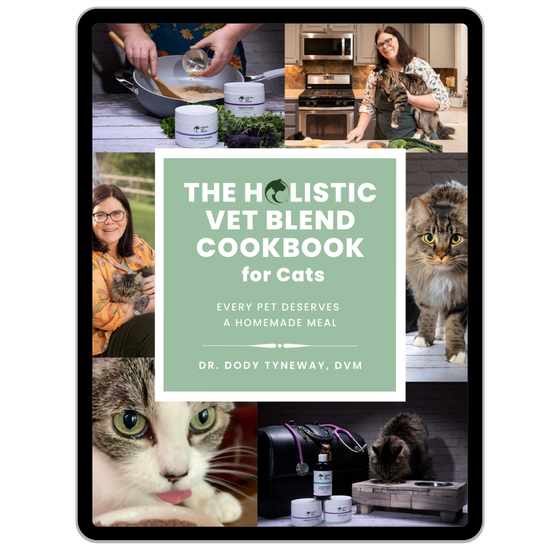
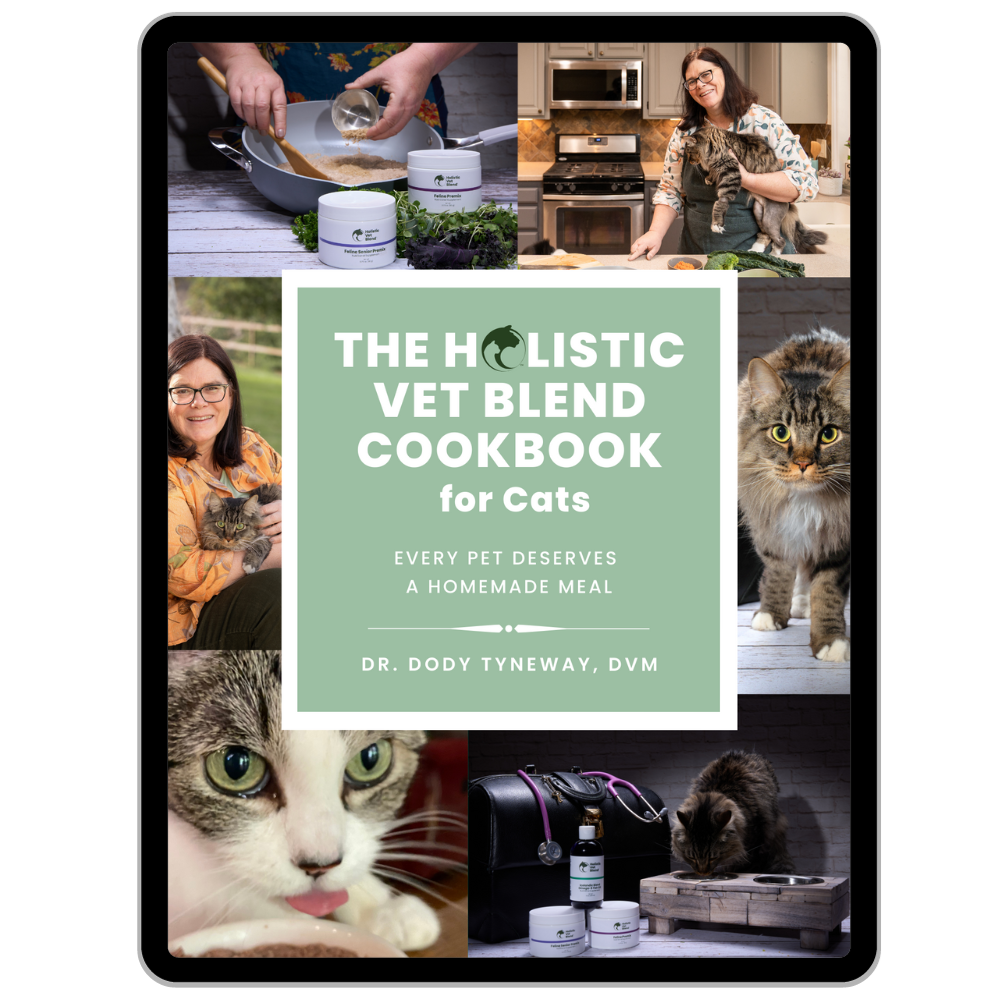
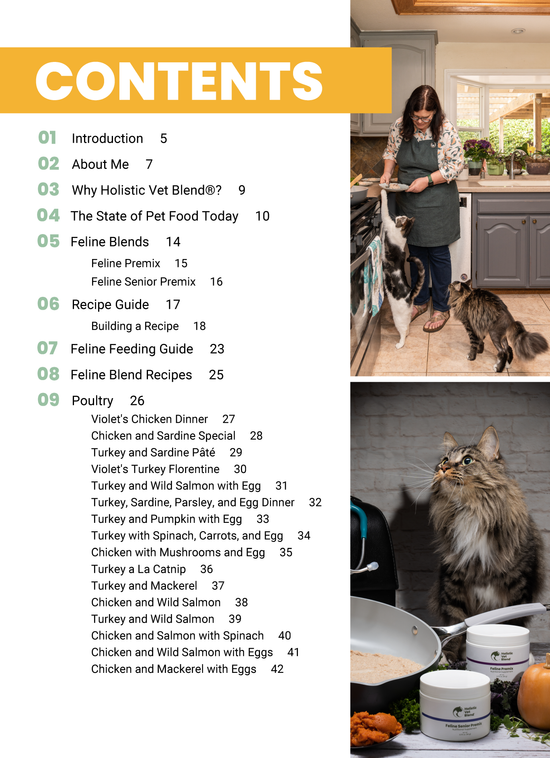
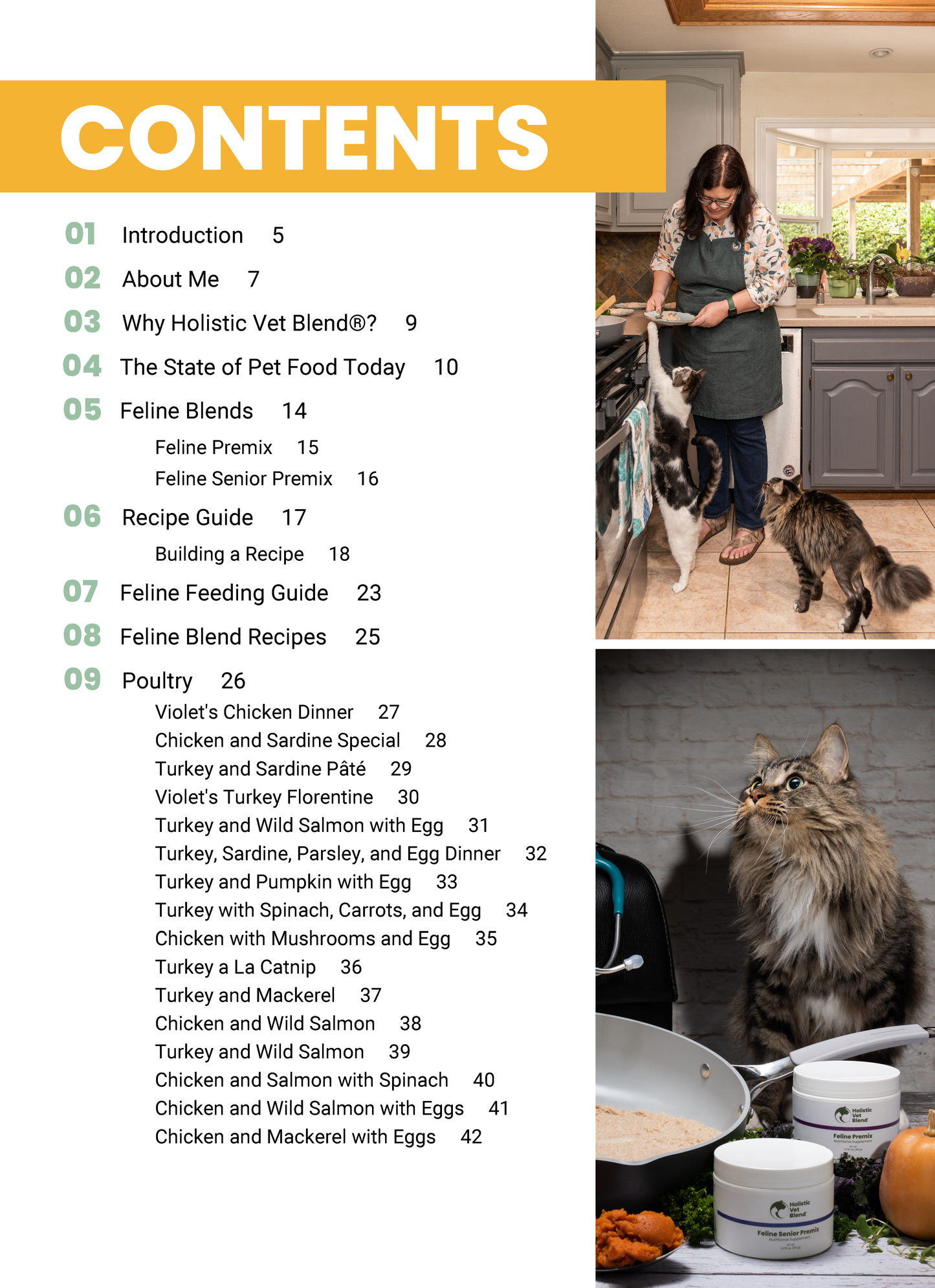
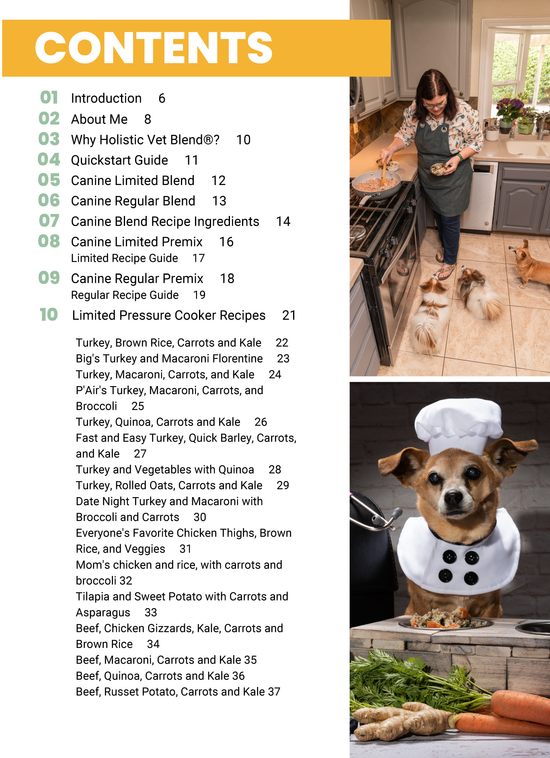
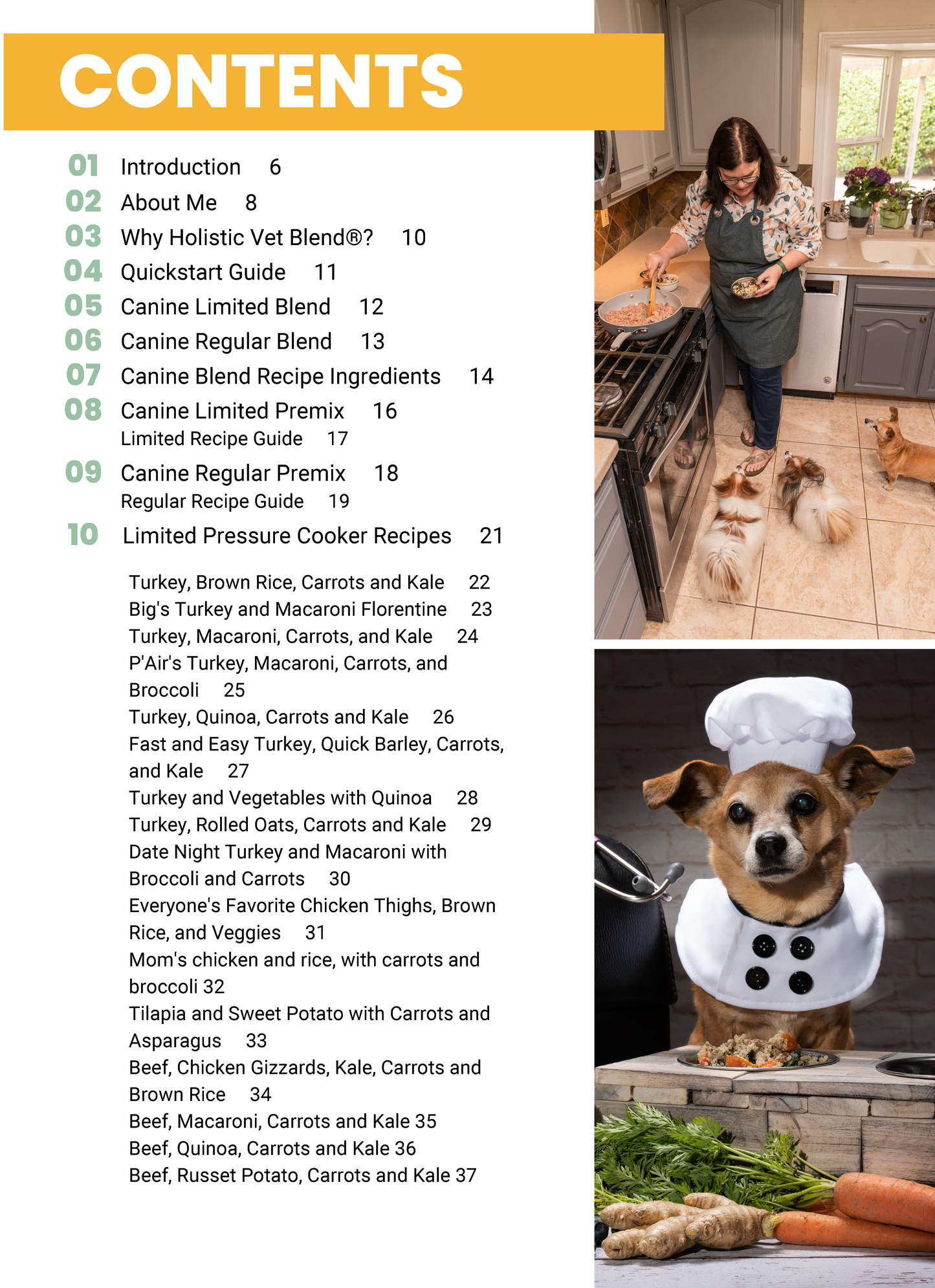
Following these steps will ensure your cat gets the benefits of fresh food without the risks of nutrient imbalance or deficiencies. Download our Free Cookbook to get started with balanced, vet-approved recipes your cat can thrive on.

Conclusion
At Holistic Vet Blend, we believe better nutrition supports better health. Homemade cat food is an excellent way to ensure your cat gets fed nutritious meals, but only when it’s done with the right knowledge and care. By following vet-approved recipes that are formulated with care and balanced with an appropriate vitamin premix, you can give your cat the nutritional support they need for a healthy, happy life.