


As the aroma of holiday feasts fills the air, it’s tempting to share the joy with our furry family members. But that bite of turkey skin or buttery stuffing, which could be high in fat content, could trigger something far more serious than an upset stomach, such as a bout with pancreatitis. Every year, veterinary hospitals see a surge in cases of pancreatitis in dogs—a painful condition that highlights the importance of early intervention for a disease that is potentially life-threatening in nature.
The good news? With a little knowledge, you can spot the early pancreatitis signs in dogs, prevent flare-ups, and keep your pup safe through the holidays.
What is Pancreatitis?
The pancreas is a small but mighty organ tucked near the stomach and intestines. Its job is to produce digestive enzymes and hormones like insulin.
Pancreatitis occurs when the pancreas becomes inflamed, and the enzymes activate too early, essentially “digesting” the pancreas itself. This leads to severe pain, nausea, and dangerous systemic inflammation.
There are two forms:
- Acute pancreatitis in dogs – sudden onset, often after eating rich foods.
- Chronic pancreatitis in dogs – smoldering inflammation or bacterial infection. Chronic pancreatitis can raise blood sugar as the pancreas produces insulin. Ultimately, chronic pancreatitis can lead to diabetes.
Both require veterinary attention.
Pancreatitis causes in dogs:
The causes of pancreatitis in dogs aren’t always clear. However, certain risk factors are well recognized:
- Eating fatty foods (holiday leftovers, gravy, turkey skin, ham)
- Obesity
- Endocrine disease (such as diabetes or hypothyroidism) can affect their front legs.
- Certain medications (like some antibiotics or seizure meds)
- Trauma or toxins
- Breed predisposition (Miniature Schnauzers, Yorkshire Terriers, Dachshunds, Cocker Spaniels, and Poodles are high-risk)
Even a single high-fat indulgence can trigger a pancreatitis flare up in dogs, especially in small breeds or those with sensitive digestion.
Are certain breeds predisposed to pancreatitis?
Yes! Some breeds are at a higher risk:
- Miniature Schnauzers
- Yorkshire Terriers
- Dachshunds
- Cocker Spaniels
- Poodles
Signs of Pancreatitis in Dogs
Loss of appetite (mild pancreatitis in dogs, not eating is common)
- Vomiting (sometimes with blood)
- Diarrhea or greasy stools
- Loss of appetite (pancreatitis in dogs, not eating is common)
- Abdominal pain (dogs may elevate their hind end in a prayer position to take pressure off of their abdomen or “splint” when touched or picked up, and even stand in a hunch)
- Lethargy or weakness
- Fever in severe cases
If your dog shows these pancreatitis symptoms, contact your veterinarian promptly. Left untreated, severe pancreatitis in dogs can progress to organ failure or shock.

Diagnosing Pancreatitis in Dogs
Finding out if a dog has pancreatitis isn’t always simple, because the symptoms—like vomiting, diarrhea, or belly pain—can look like other stomach problems. Vets usually start with:
- Physical exam – the vet checks for pain in the belly and overall appearance.
- Blood tests – these can measure pancreatic enzymes. One special test, called a pancreatic lipase immunoreactivity (PLI), is more specific for pancreatitis.
- Ultrasound – an imaging test that lets vets look at the pancreas for swelling or changes.
- X-rays – sometimes used to rule out other causes of stomach upset.
Usually, it takes a mix of these tests—not just one—to make a confident diagnosis. The earlier it’s caught, the better the chance for recovery.
Treatment of pancreatitis in dogs
Treatment depends on severity. Most dogs require:
- Hospitalization and fluid therapy to correct dehydration
- Pain control, since this is an extremely painful condition and veterinary care is essential for effective pain management
- Anti-nausea medications to prevent vomiting
- Resting the pancreas with a bland, low-fat diet
A new therapy, Panoquell, has shown promise as an adjunctive treatment for reducing pancreatic inflammation and supporting healing in some cases. Ask your veterinarian if this is right for your pet.
Pancreatitis Diet in Dogs: Nutrition Is Key
After a bout of pancreatitis, especially an acute episode of pancreatitis, dietary management is the cornerstone of recovery and prevention, especially since exocrine pancreatic insufficiency can occur:
- Feed a low-fat, highly digestible diet (generally 8–15% fat on a dry matter basis)
- Stick to consistent meals; avoid rich treats and table scraps
- Support gut health with probiotics and digestive enzymes
- Balance omega-6 fats with anti-inflammatory omega-3s
Long-Term Problems Associated with Pancreatitis in Dogs
The long-term outlook for dogs with pancreatitis depends on the severity of the episode, how quickly supportive care treatment was started, and whether the condition becomes chronic. Many dogs recover fully after an acute flare, especially if dietary changes and prevention strategies are followed to reduce the risk of pancreatitis. However, some may experience repeated flare-ups, which can lead to lasting damage in the pancreas and increase the risk for other conditions such as diabetes or exocrine pancreatic insufficiency (where the pancreas no longer makes enough digestive enzymes). With careful management—including a consistent, low-fat diet, maintaining a healthy weight, and monitoring for early signs of recurrence—most dogs can enjoy a good quality of life for years after a diagnosis.
Prognosis and Outcomes for Pancreatitis in Dogs
The prognosis for pancreatitis in dogs can vary a lot depending on how severe the episode is, how quickly treatment is started, and whether the condition becomes chronic.
- Mild forms of pancreatitis: With prompt veterinary care, many dogs recover fully and go on to live normal lives, provided their diet is adjusted and high-fat foods are avoided.
- Severe cases of pancreatitis in dogs: These cases can lead to systemic complications like organ failure or shock. Unfortunately, the mortality rate can be significant, with studies showing up to one-third of severe acute cases resulting in death within a month of diagnosis.
- Chronic or recurrent pancreatitis: Dogs who experience repeated flare-ups may have permanent damage to the pancreas. This can lead to exocrine pancreatic insufficiency (the pancreas no longer produces enough digestive enzymes) or diabetes mellitus (loss of insulin-producing cells). Both conditions are lifelong and require ongoing management.
- Long-term outcomes: With careful dietary management, weight control, and avoidance of risky foods, most dogs—even those with a history of pancreatitis—can enjoy many good years of quality life. Regular veterinary checkups are important to monitor for recurrence and related conditions.

Prevention During the Holidays
The day after Thanksgiving and Christmas, ERs often fill with dogs suffering from pancreatitis and their worried pet owners.
Here’s how to avoid it:
- No table scraps: skip fatty meats, gravy, butter, desserts, or bones, and be cautious with medications like potassium bromide that can predispose pets to pancreatitis.
- Healthy alternatives: offer plain green beans, carrots, or a small piece of lean turkey breast instead.
- Watch high-risk dogs closely: especially small breeds, seniors, or dogs with a prior history of pancreatitis.
Supporting Sensitive Digestion with HVB Canine Limited Blend
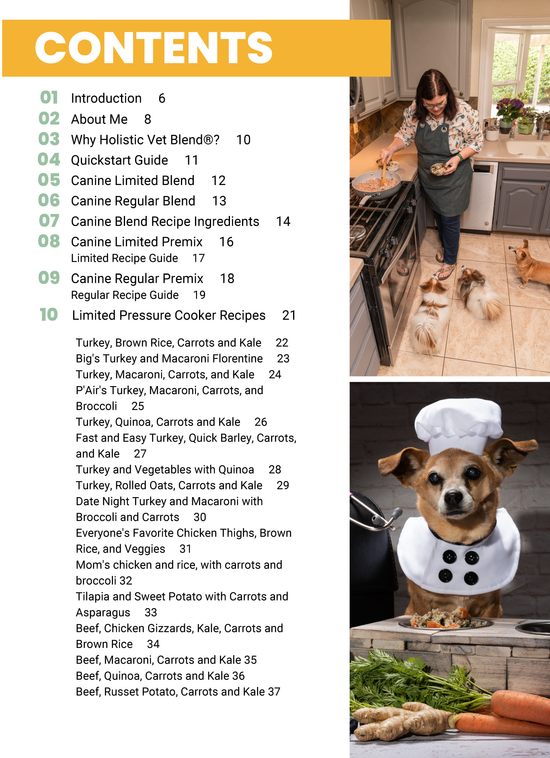
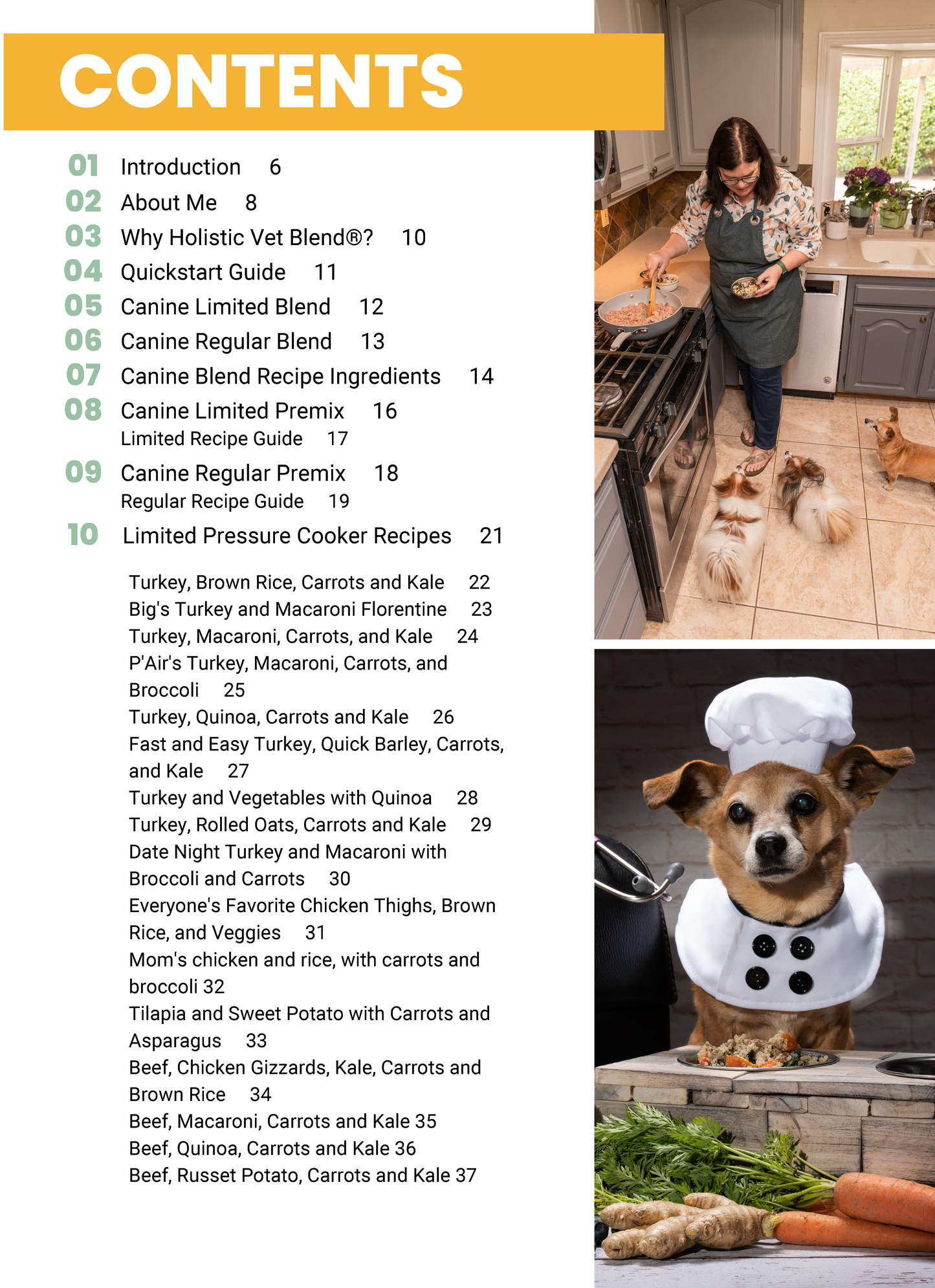
For dogs prone to digestive upset, the right diet is everything. Holistic Vet Blend® Canine Limited Blend was designed with sensitive dogs in mind. Formulated by a holistic veterinarian, it provides essential nutrients without unnecessary extras—perfect for supporting recovery from conditions like pancreatitis or simply promoting long-term gut health.
Give your dog the gift of health this holiday season:
Try HVB Canine Limited Blend and feel confident knowing you’re nourishing them with food as wholesome as the meals you share with your family.
Key Takeaway:
Pancreatitis in dogs is preventable. Resist holiday indulgences, know the warning signs, and feed a diet that supports digestive health.