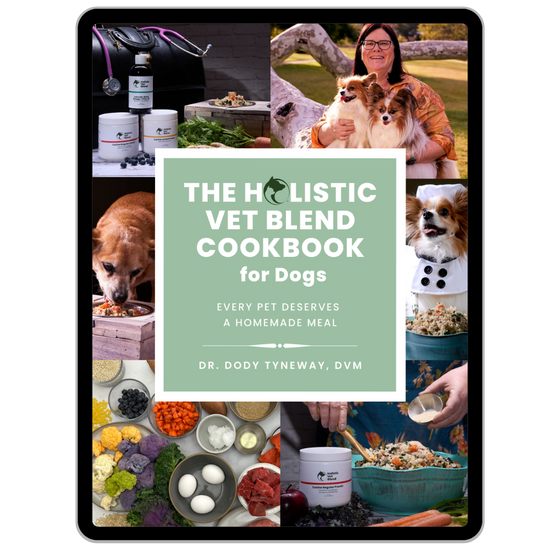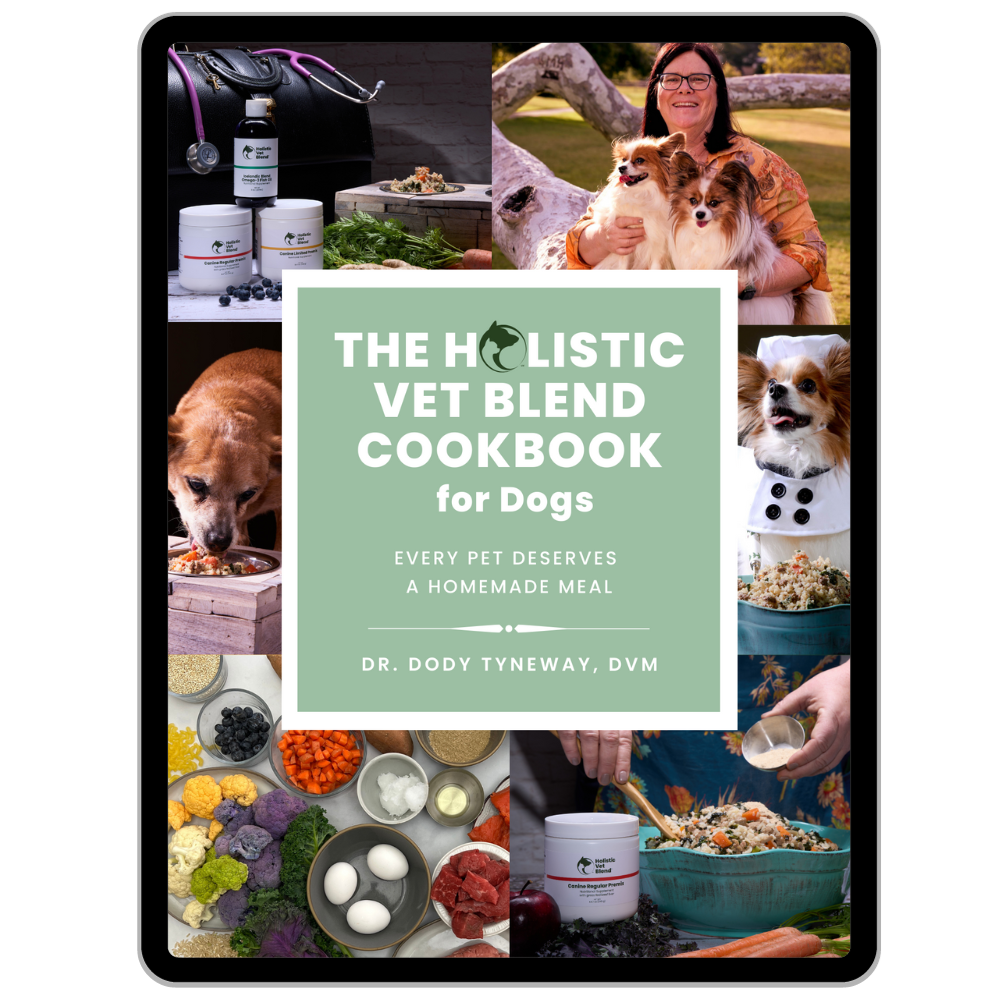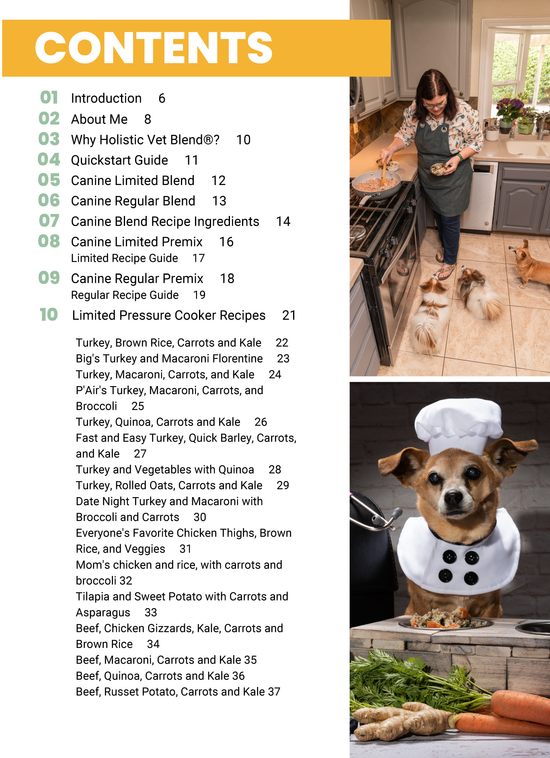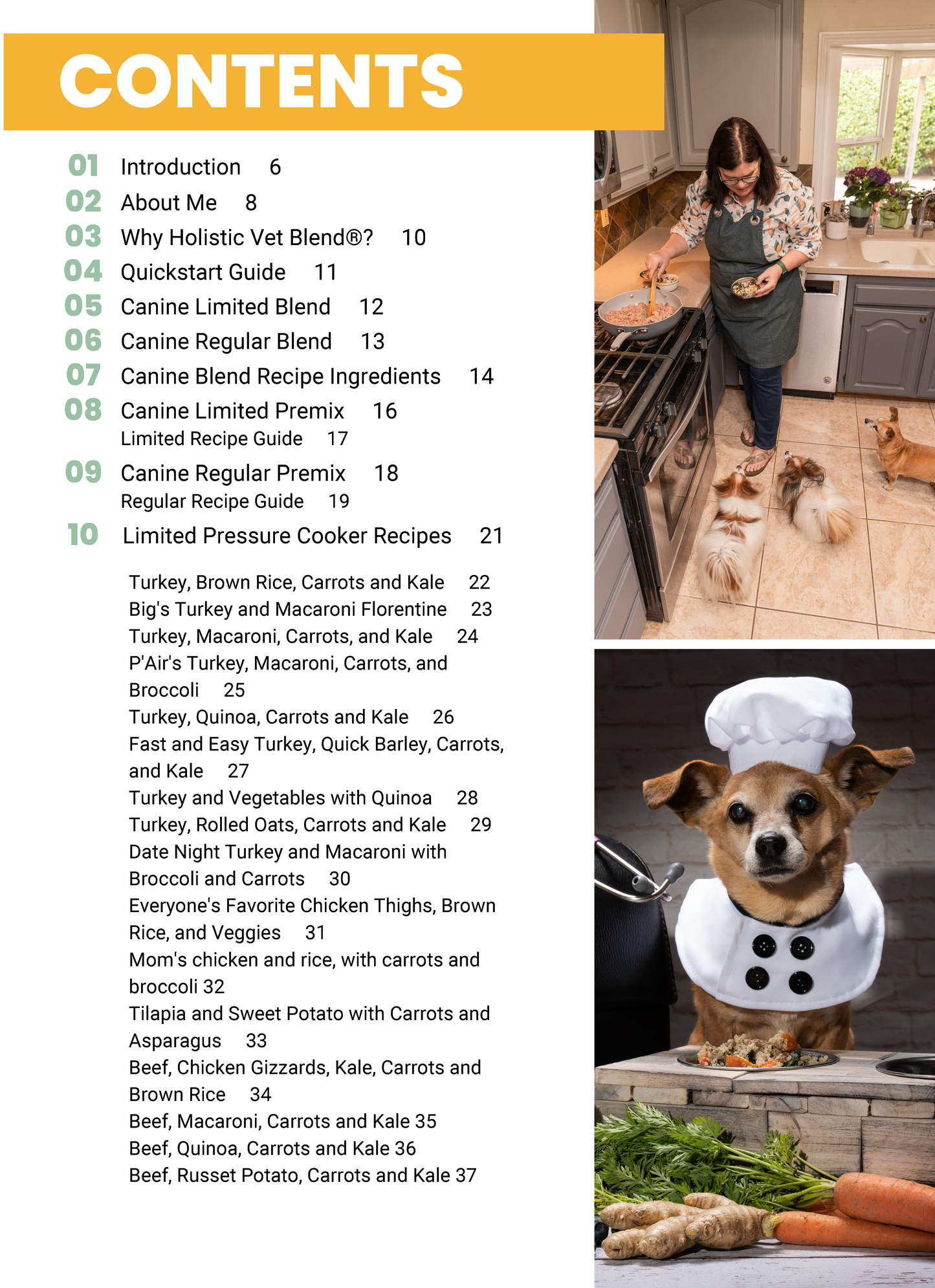



Homemade dog food has become increasingly popular among pet parents who want more control over what goes into their dog’s bowl. But fresh ingredients alone aren’t enough to create a proper dog diet. Dogs have very specific nutritional needs, and getting those nutrients right is essential for their long-term health.
To help break it all down, we spoke with Dr. Dody, a veterinarian and longtime advocate for fresh feeding, about the benefits of homemade dog food and how to make it healthy, safe, and sustainable for everyday pet parents.
Why more pet parents are choosing homemade dog food
The issues with ultra-processed dog food
Many commercial dog foods (especially kibble) are highly processed, which can affect digestibility. These foods also have to be treated with high heat to make them shelf stable. High heat can affect nutrients within the food, breaking them down and lowering their nutritional value.
As Dr. Dody explained, “The more processed a food is, the further it moves away from its original form. And the further away it goes, the higher the risk goes that your dog is eating food that isn’t providing the nutritional support they need.”

This doesn’t mean all commercially-made dog food is “bad,” but many pet parents prefer to reduce the amount of ultra-processed food in their dog’s diet and incorporate more fresh nutrition where possible.
The benefits of fresh, whole foods
One of the biggest reasons pet parents switch to homemade dog food is the ability to easily feed their pet fresh, whole-food ingredients.
“Fresh foods are naturally less processed than commercially prepared foods,” Dr. Dody said, “which supports digestion and nutrient absorption. This in turn supports overall wellness.”

Many pet parents also report improvements in:
- stool quality
- energy levels
- skin and coat health
- appetite
- food enjoyment
- The advantages of ingredient control
Homemade dog food also gives you total control of the ingredients used. This allows you to:
- avoid ingredients your dog is sensitive or allergic to
- limit preservatives and additives
- adjust meals to your dog’s preferences
For dogs with food sensitivities or allergies, this can be life changing. It also can make the lives of pet parents easier if their pup is a picky eater.
How to make sure your homemade dog food is healthy and balanced
Fresh food alone is not enough
“This may be confusing at first,” Dr. Dody said, “since we just said fresh, whole foods are incredibly beneficial - which they are! However, one of the most common misconceptions about homemade dog food is that using fresh ingredients automatically means you’ve created a complete diet.”
If meals are not properly balanced, even nutritious ingredients can leave nutritional gaps. It’s the same as with humans. Apples are very nutritious whole foods, but if a person ate only apples they’d soon develop nutritional deficiencies.
The key nutrients dogs need every day
Dogs require specific nutrients in the right amounts to support healthy organs, muscles, bones, and immune function. Here are the main nutrient categories that need to be covered:
1. Protein. Protein supports muscle maintenance, immune health, and tissue repair. Good homemade dog food recipes typically include animal-based proteins like turkey, chicken, beef, or fish.
2. Fat. A balanced amount of fat is critical for a dog’s overall health. Fat provides energy and supports skin, coat, brain, and joint health. Omega-3 fatty acids are especially important for their anti-inflammatory properties.

3. Vitamins and minerals. Dogs require a wide range of vitamins and minerals that can be difficult if not impossible to provide through food ingredients alone.
Dr. Dody added, “Carbohydrates are not listed by the AAFCO as an essential nutrient for dogs, meaning they can survive on proteins and fats alone. However, carbs (like fiber) provide additional energy nutrients as well as digestive support by helping food move through the system. This is why you will see carbs in both commercially-made and homemade dog food recipes.”
Gently cooked or raw homemade dog food - which is better?
While raw feeding has become popular in some circles, Dr. Dody recommends gently cooked homemade dog food over raw. Here’s why.
Raw meat can carry bacteria such as salmonella and E. coli, both of which are harmful to pets and humans alike. Cooking reduces these harmful bacteria and increases food safety.
Gentle cooking also does not damage nutrients like the high heat cooking of commercial kitchens, so the nutritional value of the food is saved.

Finally, gently cooked foods can also be easier for dogs to digest, especially seniors or dogs with sensitive stomachs.
Common homemade dog food mistakes
Some of the most common homemade feeding mistakes include:
- feeding unbalanced, unverified recipes found online
- feeding too much muscle meat without balancing minerals
- assuming variety automatically creates balance
“If you search for ‘homemade dog food recipes,’” Dr. Dody said, “you’ll find hundreds of different options. Most of these recipes come from well-intentioned people, but good intentions are not enough when it comes to your dog’s health.”
Without a dog nutrition expert or veterinarian signing off on a recipe, it risks being unbalanced or deficient. In fact, one study found that 94% of homemade dog food recipes online were lacking.
Over time, nutritional deficiencies can lead to issues like lethargy, muscle wasting, poor skin and coat, digestive issues, or even a weakened immune system.
The best and easiest way to avoid the deficiency trap is with a vitamin premix.
Why premixes can make homemade feeding safer and easier
Vitamin premixes are designed to help simplify homemade feeding by providing the vitamins and minerals that fresh ingredients alone may lack.

Instead of trying to calculate every nutrient manually, pet parents can combine a veterinarian-created recipe with a veterinarian-formulated premix to easily and consistently create balanced meals.
This makes homemade dog food easier for beginners and safer for those looking to feed their pup homemade dog food long term.
The best ingredients for homemade dog food
Best protein options for dogs
High-quality protein is the foundation of a balanced homemade dog food. Popular options include:
- turkey
- chicken
- beef
- sardines
- eggs
Many pet parents rotate proteins over time. While some do it to provide variety or reduce repeated exposure to any one ingredient, it also can save you money, since you can make recipes based on what protein is on sale that week.
Dr. Dody recommends purchasing meat from bulk stores like Costco or discounted grocery stores like Trader Joe’s to make homemade dog food more cost effective.

Vegetables and carbohydrates
Fresh vegetables and natural carbohydrates like grains provide fiber, antioxidants, and additional nutrients.
Common homemade dog food ingredients in this category include:
- carrots
- spinach
- green beans
- pumpkin
- sweet potatoes
- rice
- How to start feeding homemade dog food (Dr. Dody’s top tips)
Preparing the food
“Homemade dog food doesn’t need to be complicated,” Dr. Dody said. “Batch cooking is a great way to make feeding homemade dog food easier and more affordable. It allows you to buy ingredients in bulk, which saves you money, and it takes less time overall.
“Homemade dog food can also be frozen. That way you can have portions ready when you need them.
“Also, if you feel your schedule is not going to allow you to prepare your dog homemade food for every meal, that’s okay. Feeding homemade meals occasionally alongside commercial food still provides health benefits for your dog, and you can feel proud of what you’re able to do to give them a happier, healthier life.”

How much homemade food to feed your dog
“Recipes will differ in how calorie-dense they are, so always check to make sure you aren’t over- or under-feeding your dog. A vet-approved recipe will usually list this as ‘calories per cup.’ Always go by calories and not volume, as homemade dog food may end up being more or less food than you’re used to feeding your dog.
“Your dog’s calorie needs will depend on their weight, age, and activity level. If you’re not sure how many calories your dog needs, ask your veterinarian.”
Transitioning from commercial to homemade dog food
“No matter how nutritious your dog’s new food is, switching over all at once can upset their stomach.
“If you’re switching from all-commercial to all-homemade, I recommend transitioning gradually over 7–10 days. Slowly increase the new homemade food each day while decreasing the commercial food.
“This helps reduce digestive upset and gives your dog’s microbiome time to adjust.”

The Simple Homemade Dog Food Recipe Every Dog Owner Can Make
This vet-formulated recipe uses simple whole-food ingredients and Holistic Vet Blend Canine Limited Premix to provide complete and balanced nutrition for adult dogs.
Ingredients
- 3 lbs 1 oz (1,384g) 85% lean ground turkey
- 2 cups uncooked quinoa
- 1 lb carrots, chopped
- 8 oz broccoli, chopped
- 2 tbsp coconut oil
- 1 tsp fish oil
- 1 oz (about 2 tbsp) Holistic Vet Blend Canine Limited Premix
- 3½ cups water
Directions
- Rinse the quinoa thoroughly under cold water.
- Cook the quinoa in the water according to package directions.
- Cook the ground turkey thoroughly without added oil or seasoning.
- Steam or lightly boil the carrots and broccoli until tender.
- Combine the cooked turkey, quinoa, carrots, broccoli, coconut oil, and fish oil in a large bowl.
- Allow the mixture to cool until warm, then stir in the Holistic Vet Blend Canine Limited Premix.
- Refrigerate for up to 4 days or freeze in portions for later use.
Yield
Makes approximately 7.5 pounds of food, or about 14 cups.
Daily Feeding Guide
- 5–10 lbs: ¾–1¼ cups daily
- 11–25 lbs: 1¼–2¾ cups daily
- 26–50 lbs: 2¾–4¼ cups daily
- 51–75 lbs: 4¼–5¾ cups daily
- 76–100 lbs: 5¾–7 cups daily
These amounts are general guidelines. Adjust portions as needed based on your dog's age, activity level, metabolism, and body condition.
Conclusion
Homemade dog food gives pet parents the opportunity to feed fresher, more personalized meals while having greater control over ingredients and quality. But successful homemade feeding is about more than simply cooking fresh food. Balance matters.
When made with fresh ingredients, a vet-formulated recipe, and a balanced vitamin premix, homemade dog food can be a practical and nourishing way to support your dog’s long-term health.
FAQ
Is homemade dog food healthier than kibble?
Homemade dog food can be healthier than kibble when it is properly balanced and made with fresh, whole-food ingredients. Many pet parents choose homemade dog food to reduce ultra-processed ingredients and have more control over what their dog eats. However, homemade diets must be made from vet-approved recipes and include a balanced vitamin premix to avoid deficiencies and support your dog’s long-term health.
Can I feed my dog homemade food every day?
Yes, dogs can eat homemade dog food every day as long as the diet is complete and balanced. Feeding unbalanced homemade meals long term can lead to nutritional deficiencies, which is why veterinarian-approved recipes and supplements are important.
Is raw or cooked homemade dog food better?
Many veterinarians prefer gently cooked homemade dog food over raw because cooking helps reduce harmful bacteria like Salmonella and E. coli while still preserving much of the food’s nutritional value. Gently cooked food is also easier for many dogs to digest.
What are the best ingredients for homemade dog food?
The best ingredients for homemade dog food are fresh, whole foods combined with a vet-approved vitamin premix for complete nutrition. Most veterinarian-approved homemade dog food recipes include a high-quality protein source, healthy fats, vegetables, fiber, and a vitamin premix.
How do I transition my dog to homemade dog food?
Transition your dog gradually over 7–10 days by slowly increasing the homemade food while reducing their current food. This helps reduce digestive upset and gives your dog’s microbiome time to adjust to the new diet.
Do I need a vitamin supplement for homemade dog food?
Yes, homemade dog food recipes require supplementation to provide complete and balanced nutrition. A veterinarian-formulated premix can fill these nutritional gaps safely and consistently.