


If you’re searching for the best wet cat food for picky eaters, you’re not alone. Many cat parents struggle with a cat who turns their nose up at meals, which can make feeding time frustrating and stressful.
In this guide, we’ll walk you through why some cats are picky eaters, how to encourage better eating habits, and what to look for in the best wet cat food for picky eaters so you can have your picky kitty purring with foodie delight.
Why some cats are picky eaters
Contrary to popular belief, not all cats are picky eaters. Some will eat anything you put in front of them, for better or for worse. So what makes a cat picky?

1. Natural instincts and food preferences
Cats are obligate carnivores. This means they are “obliged” to eat meat to stay healthy.
In the wild, cats rely on fresh prey for their food. This means they are naturally drawn to foods that smell and taste “fresh,” not overly processed.
2. Texture, smell, and temperature sensitivity
Cats don’t only care about flavor. Texture and smell play a huge role in whether a meal has your kitty chowing down or turning up their nose.
Some cats like their food smooth and creamy, while others prefer shredded or chunky.
Cold food straight from the fridge often doesn’t have as strong of a smell. And if it doesn’t smell appetizing, many cats won’t take so much as a nibble.
3. Health issues that can affect appetite
It’s important to note that picky eating can sometimes signal an underlying health issue. These include things like dental pain, digestive issues, kidney disease, upper respiratory infections, and arthritis.
If your cat’s appetite changes suddenly, it’s always worth checking with your veterinarian to rule out any of these problems.
4. Food fatigue and learned pickiness
Over time, even a once-loved food can become boring. That’s especially true if there’s never any variety in protein or texture. And a bored cat may become a picky cat.
On the other end of the spectrum, cats can also learn to be picky. If you constantly switch foods or offer them too many treats, your cat may learn to hold out for something better.

What makes the best wet cat food for picky eaters?
While it’s tempting to focus only on “what your cat will eat,” the real goal is finding a solution that balances tastiness with good nutrition. As Dr. Dody, a member of our veterinary team, says, “It’s not just about getting calories in but giving your cat the nutrients they need to thrive.”
Let’s dive into the main factors that go into a wet cat food that will satisfy nutritional needs as well as particular kitty tastes.
1. High moisture content
Water is critical for your cat’s health, but many cats don’t have a strong drive to drink as they are designed to get most of their water from food. Wet cat food that is high in moisture helps support your cat’s kidney and urinary health while also being more appealing.
2. Strong aroma and palatability
The best wet cat food for picky eaters will smell like real food, not overly processed ingredients.
Palatability, or tastiness, will depend more on your cat’s personal preferences (especially when it comes to the main protein in the food).
3. Balanced nutrition
Just because a food is tasty doesn’t mean it’s complete. A cat might be perfectly happy eating only plain chicken meat, but it wouldn’t get the nutrition it needs that way.
Cats require specific nutrients like taurine, calcium, and essential fatty acids, and deficiencies can develop over time if diets aren’t properly balanced.
4. Simple, high-quality ingredients
Short, recognizable ingredient lists often line up better with what cats are biologically designed to eat. Whole foods that are minimally processed also are naturally designed to support your cat’s overall health.

5. Variety in texture
If your picky cat has strong preferences, having flexibility in texture can make a major difference in keeping them coming back for more.
Weighing your options: wet food, fresh food, and homemade
A parent of a picky cat has three major choices of wet food: commercial wet food, commercial fresh food, and homemade. We asked Dr. Dody to break down the pros and cons of these three options.
Commercial wet foods
“Commercial wet foods are definitely convenient,” Dr. Dody said. “However, they do come with trade-offs.
“Many use highly processed ingredients along with fillers or unnecessary additives. They also have to be shelf stable for long periods of time. This usually is achieved by cooking them at very high temperatures, which can have a negative impact on the nutrients in them.
“They may be very palatable for some picky eaters, but that’s not always a reflection of nutritional quality. In fact, some lower-quality wet cat foods have been known to add unnecessary additives like sugar to make their food tastier. ”

Commercial fresh food
“Commercial fresh food is also convenient. But that convenience comes at a cost. Most commercial fresh foods are far more expensive per serving than commercial wet foods.
“That being said, these foods are often more bioavailable and made with better ingredients than many commercial wet foods. Fresh foods are often less processed and more gently cooked as well.
“I’ve seen many picky cats who became interested in their food again when it was fresh and made with whole food ingredients.”
Homemade fresh wet cat food
“Homemade food is my all around pick for picky eaters. It has all the nutritional whole food benefits of fresh food while costing the same or less than wet cat food.
“Both homemade food and fresh food have stronger aromas and a taste closer to nature, which most cats instinctively prefer and which can be a turning point for picky cats.
“However, homemade food has an additional advantage over fresh food in that the pet parents have more control over the ingredients and flavor. This allows you to choose proteins your cat prefers and adjust the food’s texture easily.
“There’s one area I have to warn pet parents about, though, and that’s nutritional balance. If a homemade diet is not properly balanced, it can lead to dangerous deficiencies for your cat.
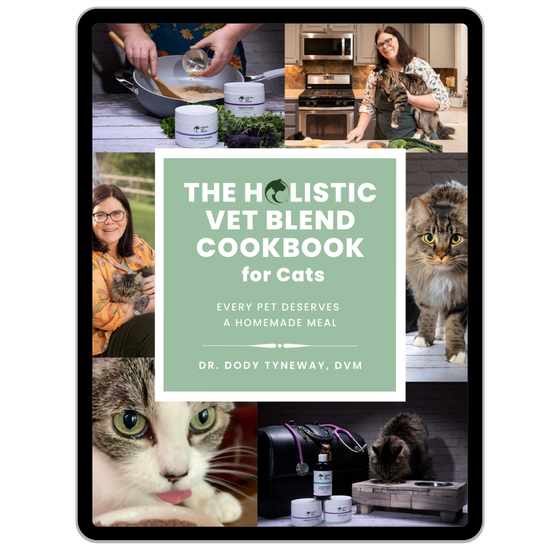
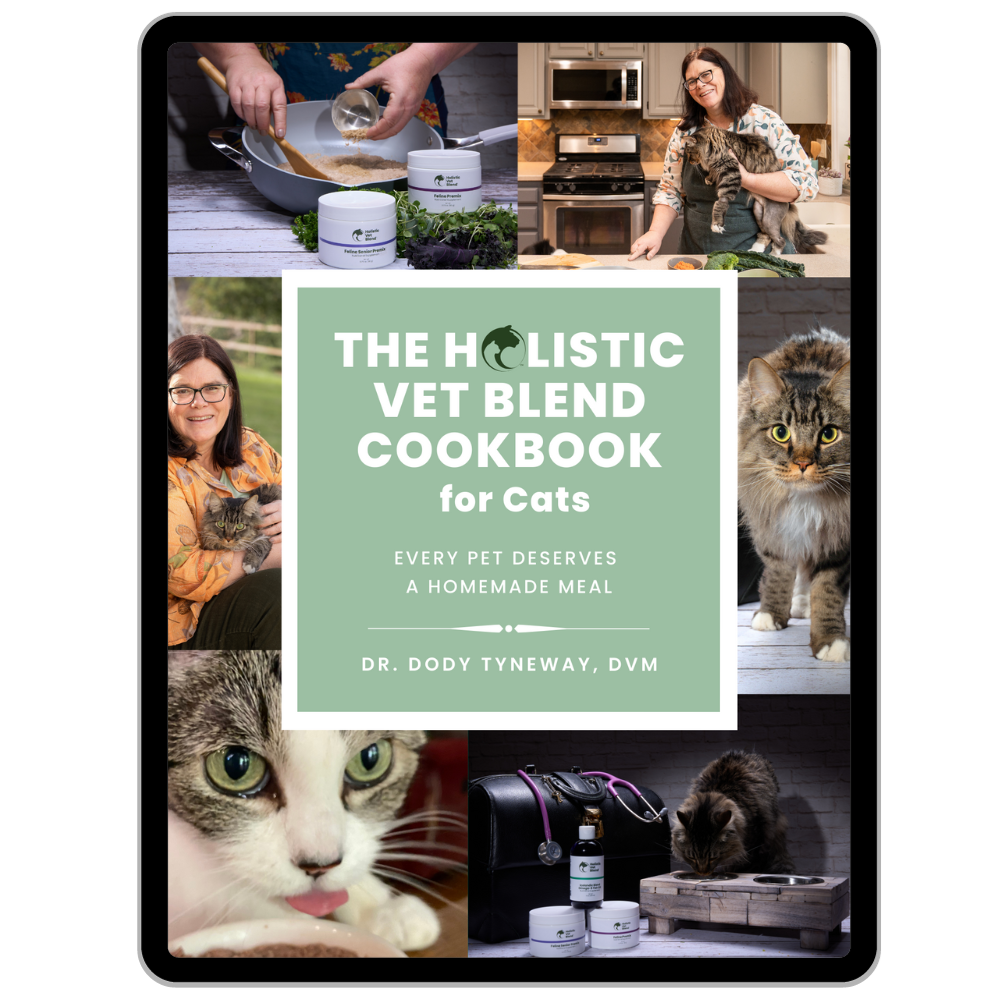
“Only use diets that are approved by a veterinary nutritionist and that include a premix of necessary vitamins and nutrients. This allows your cat to enjoy delicious, fresh, homemade food while getting all the nutrients their body needs.”

(To read more from Dr. Dody about how to set your homemade diet up for success, see our guide on the best cat supplements for homemade cat food.)
How to encourage a picky cat to eat their food
Even when you’ve made or bought the perfect food for your picky kitty, they may need a few nudges before they dive in. Here are Dr. Dody’s top tips for how to get your cat excited about their food:
1. Warm the food to enhance aroma
Gently warming wet food can make a big difference in its kitty appeal. Heat releases the food’s aroma, which is one of the strongest drivers of appetite in cats.
2. Try different textures to see what your cat prefers
If your cat refuses a pâté, try a chunky. If chunky is a no-go, perhaps shredded will be more their speed.
Sometimes this means altering a food you already have. For example, try putting their chunky wet food into a blender or food processor for a smoother consistency. Adding a bit of water or broth can soften and change the texture as well.

3. Rotate proteins
Offering different proteins can keep your cat from getting bored and showing their picky side. If they’ve been sticking with chicken for a while, maybe turkey or beef will be a nice change of pace to keep meals interesting.
4. Add healthy toppers
Small additions can boost a meal’s appeal as well. (Always make sure to take the calories in toppers into account when adding them to your cat’s diet, especially if you’re watching their weight. Toppers should never make up more than 10% of your cat’s calories.)
A little cat-safe bone broth or some plain shredded tuna could be just the thing to get your cat back to the dinner table. Juice from sardines or tuna in water or some bonito flakes are great options as well.
5. Stick to a feeding routine
Cats thrive on consistency. Feeding your kitty at the same times each day can help regulate their appetite and reduce food refusal.
6. Avoid reinforcing picky behavior
If a cat learns that refusing food leads to “better” options, the cycle continues. Instead, focus on gradual transitions and consistency.

Conclusion
Finding the best wet cat food for picky eaters is about understanding what drives your cat’s preferences and meeting those needs without sacrificing nutrition. For many cats, the answer lies in fresh, moisture-rich meals that are tailored to their tastes. But the real key is balance.
Homemade feeding can be a powerful solution. With the right tools (like a properly formulated premix) you can make fresh, balanced meals that even picky cats get excited about. In short, you don’t have to choose between “food your cat will eat” and “food that supports their long-term health.” You can have both.
FAQ
Why won’t my cat eat wet food?
The most common reasons a cat may refuse wet food include texture preferences, lack of aroma, or simply getting bored. Some cats also learn to be picky if they’re frequently offered new foods or treats. Warming the food or trying new textures or proteins can help.
How long can a picky cat go without eating?
Cats should not go more than 24–48 hours without eating. Going too long without food can put them at risk for serious conditions like hepatic lipidosis (fatty liver disease). If your cat refuses food for more than a day, it’s important to contact your veterinarian.
Is homemade food better for picky cats?
Homemade food can be a great option for picky cats because it offers stronger aroma, customizable textures, and fresh ingredients that many cats naturally prefer. However, it’s essential that homemade diets are properly balanced with the right nutrients. Using a vet-formulated premix can help ensure your cat gets everything they need.
What can I add to wet food to make it more appealing?
You can try small amounts of cat-safe toppers like bone broth, juice from a sardine or tuna can, bonito flakes,, or plain shredded meat to enhance flavor and aroma. Toppers should never make up more than 10%of your cat’s daily calories..