

Does your dog have a sudden red, oozing patch of skin driving them crazy with itching? In the heat of summer, canine hot spots tend to flare up more often, leaving dogs miserable and owners concerned. These hot spots (pyotraumatic dermatitis, acute moist dermatitis) are localized areas of inflamed skin that often involve a bacterial infection, appearing as red, moist, and painful, smelly sores. They can pop up quickly (sometimes within hours) and spread fast if not addressed. Warm, humid weather creates ideal conditions for these skin infections because moisture gets trapped in a dog’s coat, allowing bacteria to thrive. Dogs with thick fur or who love swimming in summer are especially at risk when their skin stays damp. Common causes of the underlying itch include fleas, allergies, ear infections, or anything else that makes a dog lick or scratch excessively. Hot spots often occur in the most common sites where your pup can easily reach – behind the ears (often triggered by an ear infection) or at the base of the tail (often due to flea bites). They can also show up on the face, neck, hips, or chest.
What are dog hot spots?
Dog hot spots, also known as acute moist dermatitis, are localized areas of inflamed skin lesions that become red, itchy, and painful. Pet owners often notice that these hot spots arise from factors like allergies, including atopic dermatitis, insect bites, or excessive licking due to anxiety or irritation. These skin conditions can dramatically increase in size in a very short period of time and require prompt attention to alleviate discomfort and promote healing.
If you notice the beginnings of an inflamed lesion on your dog, acting quickly is important, as they can dramatically increase in size in a very short time. Stopping the self-trauma scratching cycle and providing relief can stop the potential development of an open wound. The good news is that there are several natural, DIY steps you can take at home to keep your dog comfortable until you can see your veterinarian for the best treatment to address the issue effectively. In a holistic approach, the focus is on soothing the irritation, addressing the underlying cause of the hot spot, keeping the area clean and dry, and using gentle, non-pharmaceutical remedies, as well as additional exercise whenever possible.
What causes hot spots?
Dog hot spots are localized areas of inflamed, irritated skin that can cause discomfort and pain. They often result from factors such as allergies, flea bites, or excessive licking or scratching. There is always an underlying cause, such as an ear infection (if the hot spot is on the cheek), an anal gland infection (if the hot spot is located under the tail), fleas (if the hot spot is on the base or top of the tail), or environmental allergies (if it's between their pads).
Lick granulomas are usually caused by underlying behavioral issues or stress. These usually occur on the lower legs. Understanding these causes is vital for effective dog hot spot care and promoting your pet's overall well-being. A hot spot causes an unrelenting itching, and lick granulomas are less so but can be persistent.
Getting to the Root Cause of Hot Spots
I think about allergic dogs as carrying a bucket. Pollen goes in the bucket. Flea saliva goes in the bucket. Dietary proteins the immune system has decided to argue with go in the bucket. Gut inflammation, humidity, a damp undercoat after a swim, all of it goes in the bucket. The drain at the bottom is the dog's capacity to clear inflammation, and that capacity is finite. As long as the drain keeps up, the dog looks fine. When the bucket overflows, it overflows somewhere specific.
A hot spot is what the overflow looks like on skin.
The allergy started it. Your dog finished it. Lowering the level in the bucket is how you change what happens the next time, and several things go into it.
Flea control comes first, and it is not negotiable. Not attempted. Verified. That means consistent, year-round product use on every animal in the household, documented flea-free status by combing, no flea dirt, and at least four weeks of control before you start evaluating anything else.
Does your dog have an active flea problem? If you cannot answer that with confidence, you cannot interpret anything that follows. Flea allergy also keeps the immune system in a heightened reactive state, so an untreated flea-allergic dog will appear more food-reactive and more pollen-reactive than it actually is.
Controlling fleas is not only about flea allergy. It is about giving every other intervention you attempt a fair chance to show its effect.
Secondary infections come next. A dog running an active pyoderma or a yeast-overgrown ear canal is itchy from the infection regardless of what else is going on. Your veterinarian should clear those before or alongside any dietary work. Ear cytology, rather than empiric rotation through the same three medications, is how you find out what is actually growing in there.
Then diet, because diet moves the baseline. This is where the gut-skin connection stops being a slogan and starts being a mechanism. A large majority of the body's immune cells reside in gut-associated lymphoid tissue.
The intestinal lining is a single cell layer held together by tight junction proteins, and when that seal loosens, partially digested proteins and bacterial components reach immune tissue that was never meant to see them. The result is a systemically-primed immune system that reacts harder to everything, including pollen it used to tolerate.
Diet composition matters here in a measurable way. AAFCO caps the omega-6 to omega-3 ratio in dog food at 30:1, and that ceiling leaves an enormous range underneath it.
A food can sit anywhere from a few parts omega-6 per part omega-3 all the way up to thirty and still be labeled complete and balanced, and the bag rarely tells you where it lands.
The distinction matters because omega-6 fatty acids feed inflammatory signaling and omega-3s temper it. That shift has been measured directly in dogs, and it was found that changing the dietary ratio changed leukotriene production in the skin itself.
High-heat extrusion also degrades the fragile omega-3 fats that survive processing, and the Maillard reaction generates advanced glycation end products that are themselves pro-inflammatory. Fresh food avoids all of that, not by magic, but because it was never subjected to the process.
Current evidence supports the elimination diet trial as the only reliable way to identify a food trigger. There is no blood test, saliva test, or hair analysis that diagnoses food allergy in dogs.
When researchers submitted samples from allergic dogs, healthy dogs, and synthetic fur alongside sterile saline, the commercial hair and saliva tests could not tell them apart, and repeat submissions of the same sample returned different answers.
Serum IgE assays for food allergens have performed no better. I stopped running them years ago after watching owners eliminate perfectly appropriate foods for a dog's entire life on the strength of a meaningless result.
The trial itself needs to run eight weeks minimum, ideally eight to twelve, on a diet the dog has genuinely never encountered. Trial duration matters, because a substantial share of food-responsive dogs do not clear until well past the four week mark.
Purity matters equally. Ricci and colleagues, publishing in BMC Veterinary Research in 2018, tested forty novel-protein and hydrolyzed diets and found that only ten matched their labels.
A trial run on a contaminated diet produces a false negative, and the owner concludes food is not involved when it may well be.
Relief is not resolution. Medication that stops the itch is genuinely useful and I reach for it when a dog is miserable, but it does not empty the bucket. Emptying it means finding out what has been going in, and that takes a structured eight weeks rather than another round of trial and error.
Ready to Find the Trigger Instead of Chasing the Flare?
The Allergy Reset Challenge is the eight-week structured elimination trial I use in practice, laid out step by step so you can run it correctly and bring real data back to your veterinarian.
If you want the food handled as well, the Allergy Reset Bundle puts the three pieces in one place.
The Holistic Vet Blend Canine Limited Blend is a protein-neutral premix with no chicken, beef, dairy, wheat, or soy in it, so the protein you cook is the only protein in the bowl, which is exactly what an elimination trial requires. Prepared as directed, a single novel protein and a single carbohydrate become a complete and balanced meal for the adult dog.
You choose your omega-3, either the Icelandic fish oil or the algal oil for dogs who react to fish, because the fat you feed shapes how reactive the skin is.
And The Complete Guide to Dog Allergies walks you through the eight weeks, including the symptom tracker you will bring to your veterinarian.
Full disclosure: I formulated the premix and I have a financial interest in your choosing it. I am naming that and moving on.
A home-cooked diet built by a board-certified veterinary nutritionist is the dermatology gold standard, and if that is accessible to you, take it. A verified hydrolyzed prescription diet is a legitimate and evidence-supported path.
I built the premix because those two options are out of financial or practical reach for a great many families, and cycling through pet store limited ingredient bags is not a substitute.
Whichever route you take, run the trial properly. That is what matters.

10 Holistic Comfort Care Solutions for Dog Hot Spots
Here are 10 tips to help heal your dog's hot spot and prevent it from getting worse while waiting for your veterinary appointment
1. Flush the Ear with Saline
If the hot spot is associated with an ear infection (for example, just under or behind the ear), gently clean your dog’s ear with a sterile saline solution if they will allow it. Saline is non-irritating and safe even if the eardrum is ruptured. Tilt the head and drip room-temperature saline into the ear canal. Massage the base of the ear for 30 seconds, then let your dog shake it out. Gently wipe the excess with cotton. This simple rinse helps remove underlying yeast or bacteria that may be fueling the itch and prevents further irritation from harsher cleansers. Keeping the ears clean and dry can significantly reduce hot spots triggered by ear infections. Since ear infections can be caused by bacteria, yeast, frequent swimming, or foreign bodies such as foxtails, you'll want to work with your veterinarian to identify the underlying issue.
2. Clip the Hair and Let the Hot Spot Air Out
If your dog is not too painful and allows it, use clippers to carefully trim the hair around the hot spot and the surrounding area. Removing fur exposes the damp, infected skin to the air, helping it dry out more quickly. Hot spots thrive on moisture, so avoid bandaging or covering the area – air circulation is essential for healing. Trimming also makes it easier to apply any topical remedies to a clean skin surface. Be very gentle, as the skin is tender, and refrain from attempting this if your dog could potentially bite you. If your dog is in pain, do only what they allow and save thorough clipping for the vet.
3. Gently Clean the Wound with a Mild Antiseptic
The first step in cleaning the serious hot spots helps remove pus and bacteria, allowing the skin to start healing. Use a skin-safe, non-stinging solution, such as saline. One effective option is diluted povidone-iodine (Betadine) – dilute 1 part iodine to 9 parts warm water (the solution should be the color of weak tea). Using a soft cloth or gauze, gently dab or irrigate the area, and then press (without rubbing) the solution onto the hot spot to disinfect it. Diluted chlorhexidine solution (if you have a pet-safe chlorhexidine cleanser) is another vet-recommended option for cleaning. Pat the area dry after cleaning. This antiseptic rinse can be done 2–3 times a day. Avoid harsh human antiseptics like alcohol or hydrogen peroxide, which can delay healing and sting badly. A gentle cleanse keeps bacterial overgrowth in check and reduces itchiness.
4. Use Cool Water to Soothe Inflammation
Cooling the hot spot provides immediate relief from pain and itching. You can apply a cool compress by soaking a clean cloth in cool (not ice-cold), wringing it out, and holding it against the hot spot for a few minutes. For an even more soothing compress, use chilled chamomile tea or green/black tea – the tannins in tea act as natural antiseptics and help dry out the area. Another approach is gentle hydrotherapy: if the location is easily accessible, rinse the hot spot under a slow stream of cool water (for example, using a handheld shower on low pressure). This can help remove irritants and crusted discharge while calming the skin. Limit direct cooling to 5–10 minutes at a time, and pat the area dry afterward, since lingering moisture can aggravate the hot spot. Cool water therapy can noticeably reduce redness and discomfort for your pup.
5. Give a Colloidal Oatmeal Bath or Paste
Colloidal oatmeal is a classic remedy for itchy, inflamed skin – and it’s perfectly safe for dogs. You can draw a cool oatmeal bath by mixing unflavored colloidal oatmeal (available at drugstores, often sold for eczema or chickenpox relief) into a tub or basin of cool water. Let your dog soak the affected area for 5–10 minutes. The oatmeal will leave a soothing film on the skin that eases itching. If the hot spot is in a location that’s hard to soak, make an oatmeal paste instead: take a scoop of colloidal oatmeal, mix it with a bit of water to form a paste, and apply it gently over the hot spot for a few minutes before rinsing off. Colloidal oatmeal contains beta-glucans that calm inflammation and relieve itchiness on contact. Just be sure to rinse off and dry the area thoroughly, since again, we don’t want to leave the skin damp.
6. Try Natural Topical Remedies
A few dog-friendly herbal or homeopathic remedies can provide additional comfort to the hot spot. One popular soother is pure aloe vera gel – apply the cool gel from an aloe plant (or 100% pure aloe gel product) in a thin layer on the hot spot to cool and calm the skin, promoting a healthy skin barrier. Use care and prevent your dog from licking it by putting on an Elizabethan collar until it’s dry, as ingesting aloe can upset the stomach. Calendula is an herb known for healing skin; you can mist the area with calendula tea or apply a diluted calendula tincture lotion (make sure it’s alcohol-free) to help reduce inflammation and itch. Chamomile or green tea soaks work similarly: brew the tea, let it cool completely, and use the tea bag or a cotton ball to dab the hot spot – the tea’s natural tannic acids act as a mild antiseptic and astringent to dry out the sore. Even a simple baking soda paste (mix a teaspoon of baking soda with a little water) smeared on the spot for a few minutes and then rinsed can help alleviate itchiness. If your dog is experiencing significant discomfort, consider a homeopathic remedy, such as Arnica (available in pellet form), or pain medications to help alleviate pain and inflammation. These natural approaches can complement the other steps, but discontinue any remedy that irritates your dog’s skin. Every dog’s skin is different, so gentle trial and error will show you what brings your pup relief.
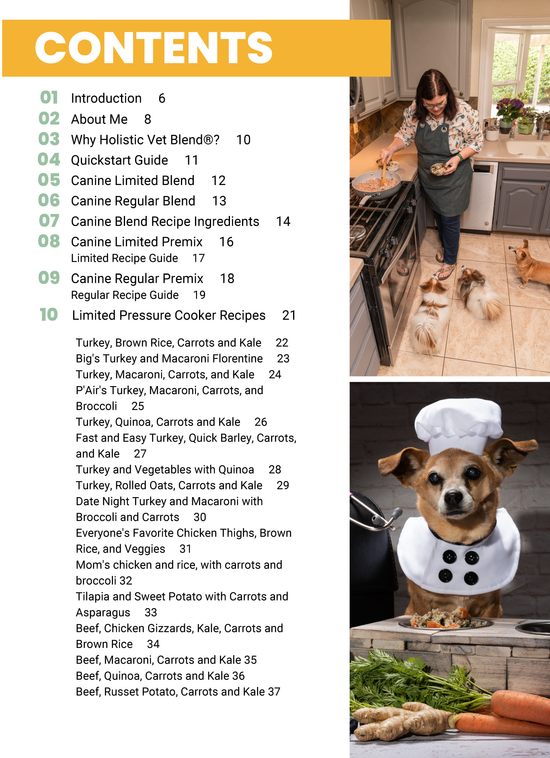
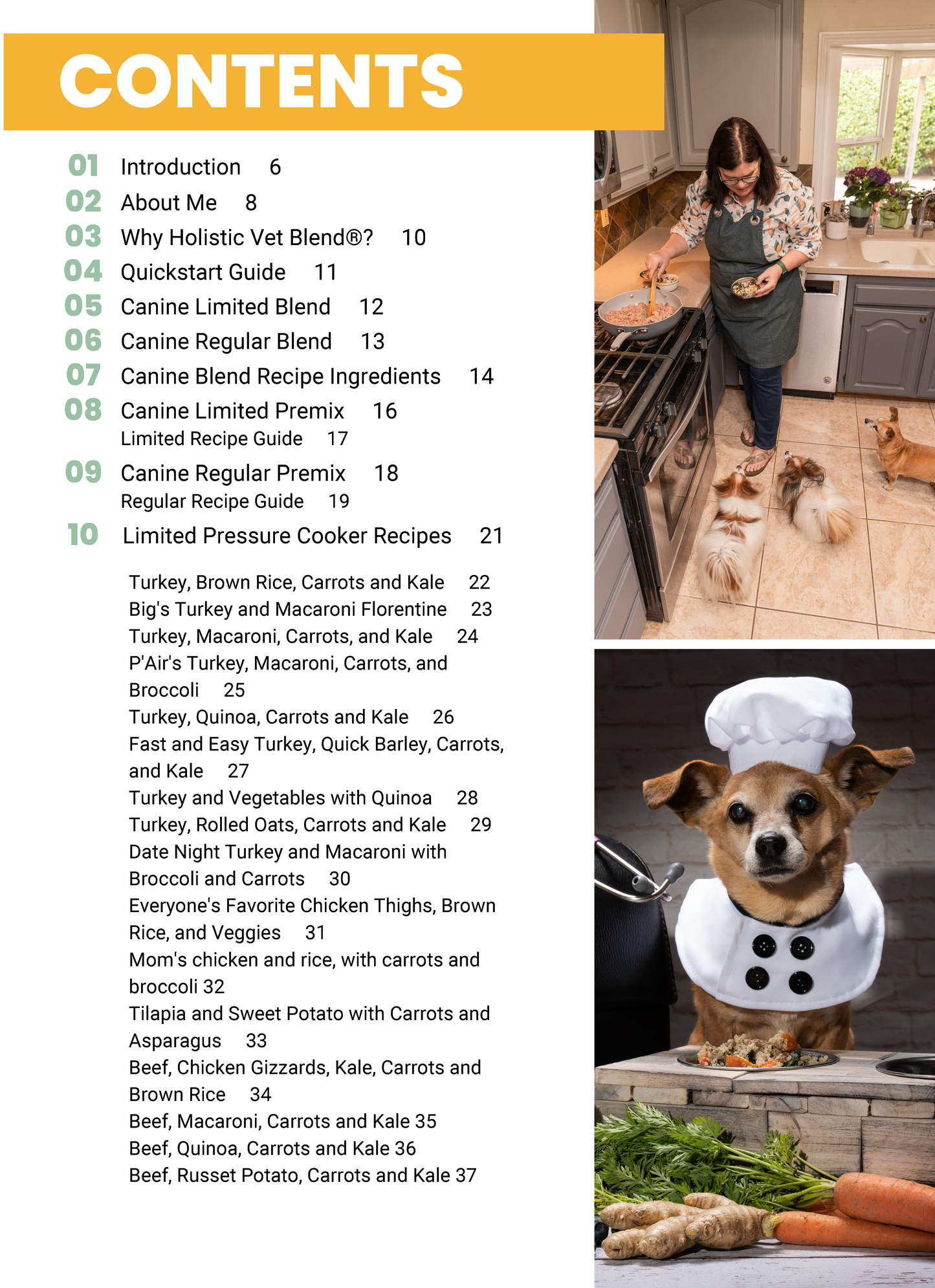
Want recipes your dog will actually eat?
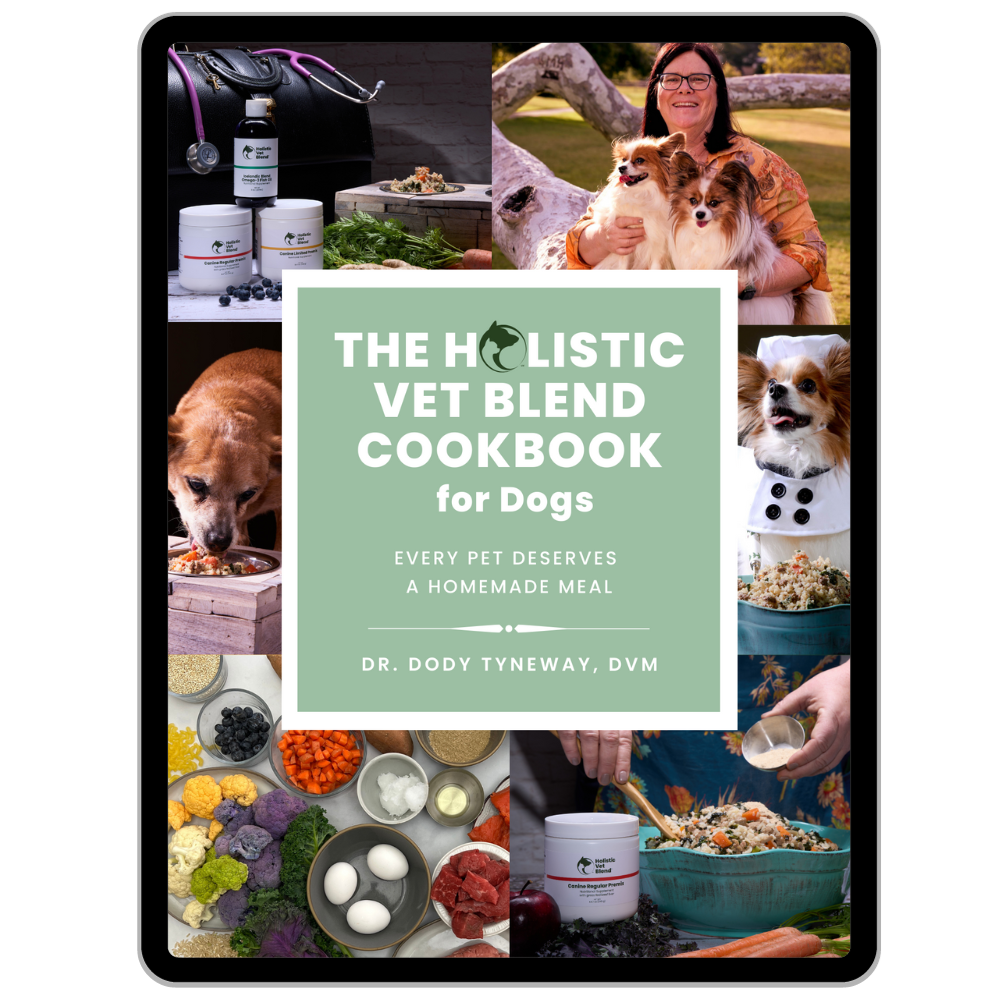
Download my free cookbook for dogs: a few favorite recipes, portioned and balanced the same way I make them for my own dogs.
7. Break the cycle of itching with an E-Collar (Cone) to Prevent Licking
To truly break the "itch-scratch cycle," you must stop your dog from further licking, chewing, or scratching the hot spot on their irritated skin. One of the most effective tools for this is an Elizabethan collar (the "cone of shame"). While your dog might give you sad eyes about the cone, it keeps them physically away from the wound, allowing them to focus on other engaging activities, such as puzzle toys, which can be critical for healing. You can use a traditional plastic cone or a softer inflatable or fabric cone – whatever your dog finds most comfortable. Alternatively, a dog recovery suit is also an option to consider for covering the area. In a pinch, even a clean T-shirt can act as a barrier (for example, a T-shirt for a chest or belly hot spot, or a sock for a paw hot spot), but avoid any covering that retains moisture or rubs the skin. The goal is to allow airflow while preventing licking. Supervision is important too: when you’re home, keep an eye on your dog so that it doesn’t find creative ways to scratch (like against furniture). It may take a day or two for them to adjust to the E-collar, but remember, it’s a short-term necessity that gives the angry spot a chance to heal without further self-trauma.
8. Give an Anti-Itch Aid (Benadryl or Natural Alternative)
Hot spots are intensely itchy, and helping your dog feel less itchy will keep them calmer. One owner-friendly option is diphenhydramine (Benadryl) – an over-the-counter antihistamine that can reduce itchiness and has a mild sedative effect. Many vets recommend it for short-term relief from allergies or insect bites. Some cases are severe, and until you can get the situation under control, you may have to resort to short-term oral steroids to provide some comfort. The dosage of diphenhydramine (Benadryl) is based on your dog’s weight (always use plain Benadryl with no decongestants or other additives). A rule of thumb is 1 mg per pound of body weight, administered orally every 8 hours. Here’s a rough guide for common size ranges:
- Under 5 lbs: ~5 mg (often easier to use children’s liquid form). Do not use a liquid with xylitol (poisonous to dogs).
- 5–10 lbs: 5–10 mg (≈2–4 ml of children’s liquid)
- 10–25 lbs: 10–25 mg (≈½ to 1 adult tablet)
- 25–50 lbs: 25–50 mg (1 to 2 tablets)
- 50–75 lbs: 50–75 mg (2 to 3 tablets)
- 75+ lbs: 75–100 mg (3 to 4 tablets, depending on exact weight)
Always double-check with your vet if you’re unsure about the dose, and do not exceed 2 mg per pound in any case. Benadryl can cause drowsiness, which isn’t a bad thing for a restless, itchy dog trying to scratch a wound. If you prefer a holistic route, consider quercetin – a natural supplement sometimes called “Nature’s Benadryl” for its antihistamine and anti-inflammatory properties. Whether you use Benadryl or a natural alternative, reducing the itch will keep your dog more comfortable and less inclined to attack the hot spot. As with any medication or supplement, if your dog has health issues or is taking other medications, check with your veterinarian first.
9. Check for Fleas and Address Any Parasites
Hot spots are often a symptom of an underlying issue – and fleas are one of the most common culprits. Especially if the hot spot is near the rump, tail base, or thighs, put on a pair of gloves and inspect your dog’s fur for signs of fleas. Look for flea dirt (tiny black specks) or the fleas themselves. Even if you don’t see them, if your dog is itchy back there, it’s wise to assume fleas could be involved (many dogs are allergic to flea bites, which causes extreme itching). Comb your dog with a flea comb and give them a gentle bath to remove as many fleas as possible. Consistent flea control is key to preventing hot spots around the tail. If you prefer holistic methods, some natural flea repellents (like shampoos with neem, or essential oil sprays with lemongrass or cedar that are labeled safe for dogs).
10. Look for an underlying cause
While these home remedies can dramatically improve a hot spot, remember that underlying causes need to be addressed to fully resolve the issue and prevent recurrence. Use the above tips to keep your dog comfortable and happy. It should start to dry out and shrink over a few days. If you notice it getting larger, producing a foul odor, or your dog developing a fever or lethargy, seek veterinary care as soon as possible – severe hot spots may require prescription spray medications to heal. In any case, it’s wise to let your veterinarian examine the area, especially if this is your dog’s first hot spot or if they recur frequently. A holistic vet can help pinpoint contributors like allergies, anal gland issues, or stress, and suggest long-term natural strategies (diet changes, supplements, etc.) to boost your dog’s skin health. Also, ask your vet if a medicated shampoo or rinse would help in your dog’s case – never apply prescription-strength creams or shampoos without checking, but your vet might approve a chlorhexidine pet shampoo or herbal rinse to use at home in between visits. By staying vigilant and working with your vet, you’ll get to the root of why the hot spot occurred (whether it was fleas, food allergies, or something else) and prevent future hotspots from troubling your pup.

Conclusion
Hot spots can be alarming to see on your beloved dog, but with prompt care and a gentle, holistic touch, you can provide fast relief and support the healing process. The ten tips above focus on natural, pet-safe remedies – from simple saline and oatmeal to herbs and hugs – to comfort your itchy dog and tackle the problem at its source. Always remember that while home care is important, partnering with your veterinarian (especially one who is holistically minded) will ensure that the infection is appropriately treated and the underlying causes are managed in the long run. Here’s to cool, itch-free skin for your canine companion! If you found these tips helpful, be sure to download my free cookbook for dogs for weekly insights on caring for your pet’s health the natural way. We’re here to help you help your pet live their most comfortable, vibrant life.