


Every format of dog food can be balanced and every format can be unbalanced. A holistic veterinarian walks through kibble, raw, freeze-dried, gently cooked, and homemade dog food on safety, nutrient loss, cost, and how to tell whether a diet is complete and balanced.
By Dr. Dody Tyneway Robi, DVM
Dogs usually end up at the veterinarian because they have a problem: chronic itching, loose stools, recurrent ear infections, unexpected weight gain, or a senior dog who just seems less themselves. Nutrition is often a contributing factor, but there is a dizzying array of options. Kibble or raw. Fresh or freeze-dried, gently cooked, canned, or homemade dog food. Format matters because it tells you how the food was processed, but it does not tell you whether the recipe is a complete and balanced dog food.
When choosing a diet, it is important to know who formulated it and whether anyone checked the finished product. Many ultraprocessed kibble diets are nutritionally balanced and have undergone feeding trials. But more and more dog owners want to feed their dogs in line with their own health standards, which means avoiding kibble. This is sound reasoning, but feeding a raw or home-cooked diet built from meat and vegetables alone is also problematic if it does not include essential nutrients, no matter how fresh the diet.
Raw diets are more susceptible to pathogens, but some responsible companies offer balanced dog food that includes a kill step to minimize this risk. Conversely, ultraprocessed kibble may damage sensitive nutrients, but it is less likely to contain pathogens.
The heat dial
Picture a dial. Raw sits at the left end, never heated. Gently cooked food sits a little higher, usually between 160 and 212°F. Canned food is sterilized under pressure at roughly 240 to 250°F. Extruded kibble sits at the far right, cooked under heat and pressure at roughly 250 to 350°F.
Heat kills pathogens. It also degrades thiamine, damages lysine, and drives the Maillard reaction that produces advanced glycation end products, the same browning chemistry that gives toast its crust (1). The farther right you turn the dial, the more safety you gain and the more nutrients you lose. The dial cannot tell you what went into the bowl. A raw diet built from supermarket chicken thighs and nothing else is unbalanced. A kibble formulated by a board-certified veterinary nutritionist and tested in feeding trials is balanced. Both processing and formulation are considerations when choosing a diet.
What "complete and balanced" dog food means
"Complete and balanced" means a food is meant to be the sole diet for a stated life stage and meets every nutrient requirement for it. AAFCO sets those requirements and the label rules; it approves, certifies, and tests nothing (2). The company makes the claim and substantiates it, either by formulating to the AAFCO profile on paper or by running a feeding trial. The feeding trial is the stronger evidence. Check the adequacy statement and who formulated the food before you worry about how it was processed.
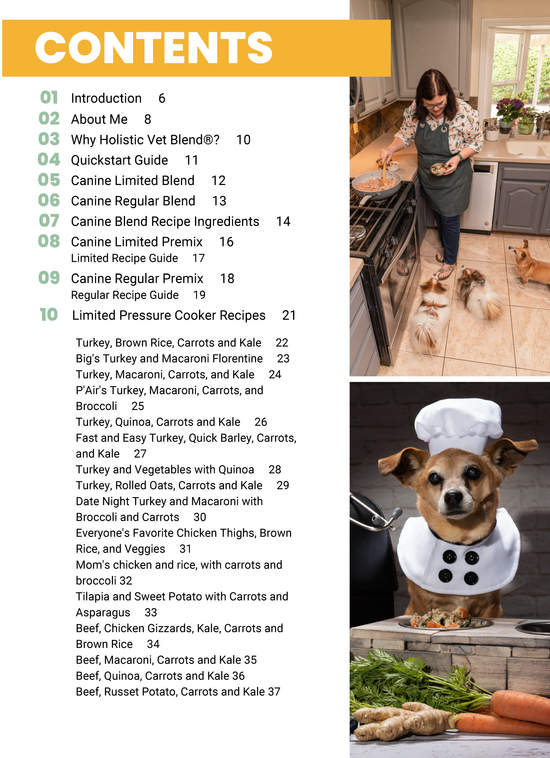
Want recipes your dog will actually eat?
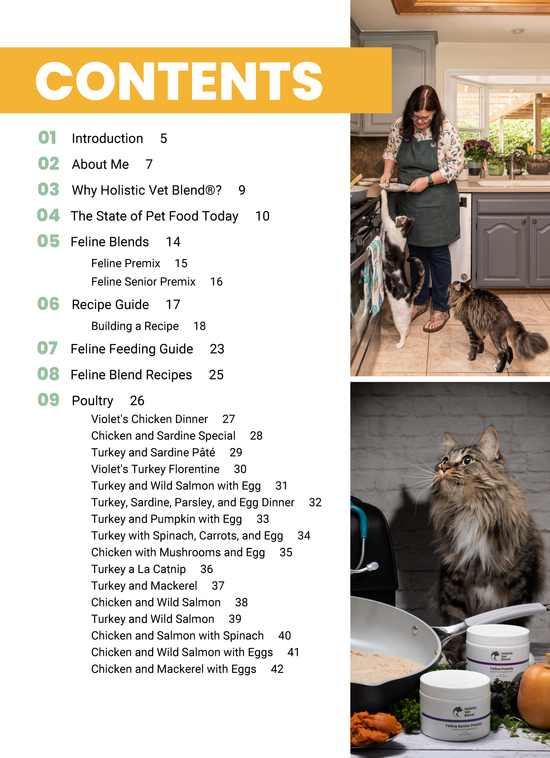
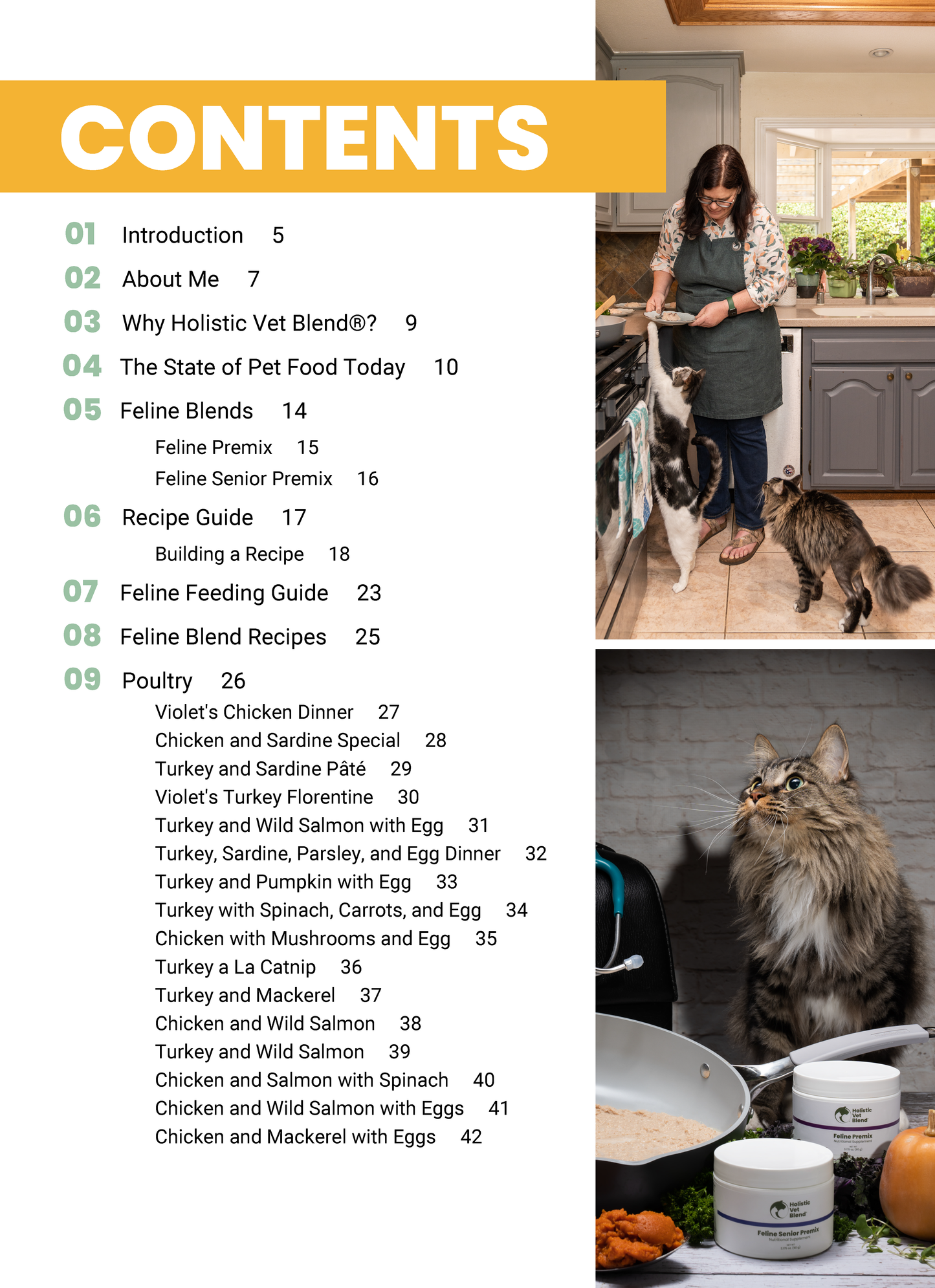
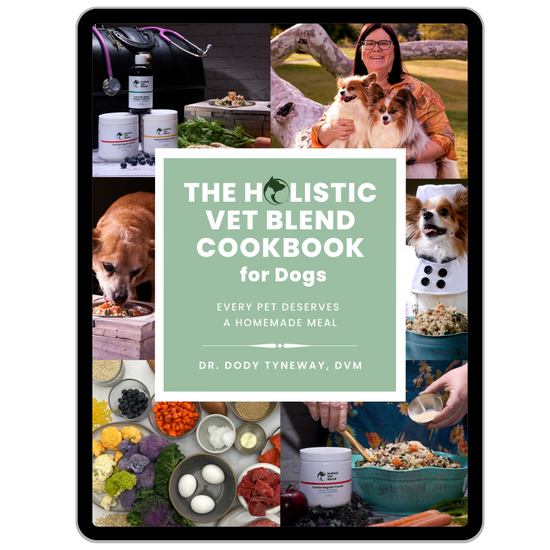
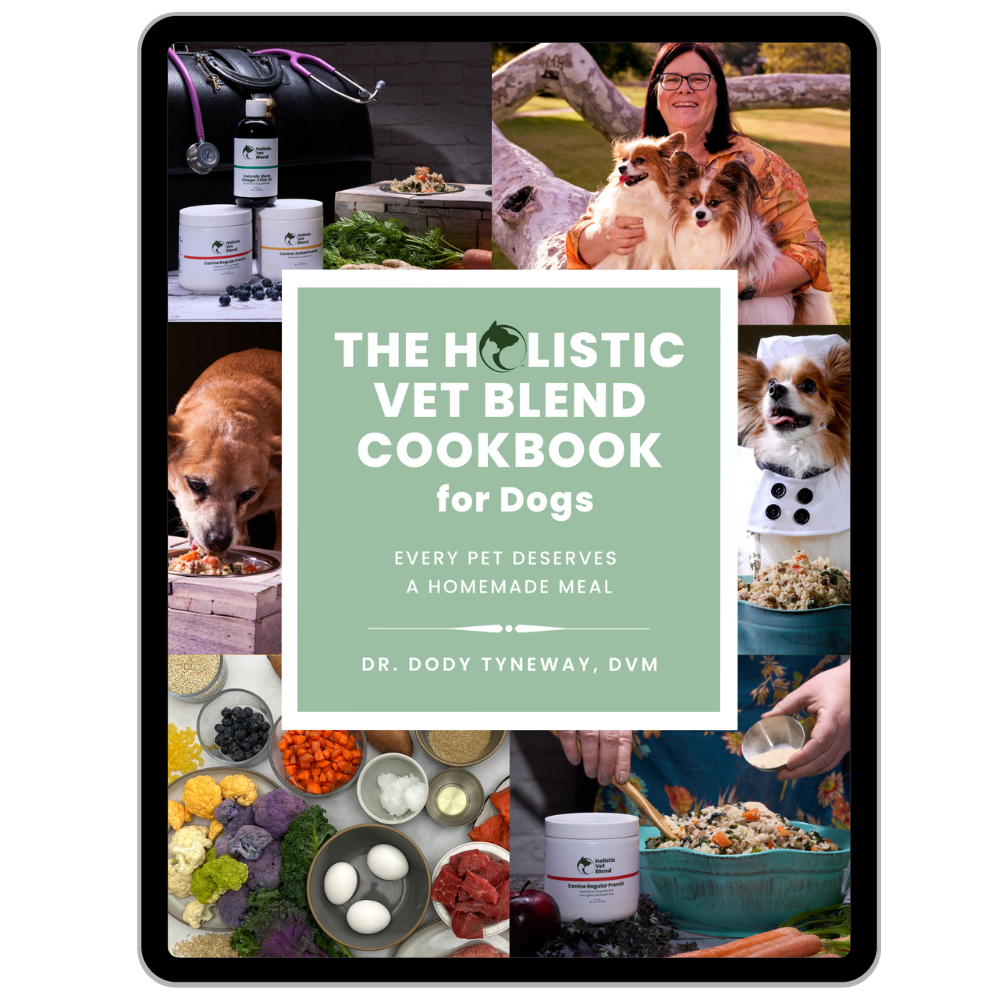
Download my free cookbook for dogs: a few favorite recipes, portioned and balanced the same way I make them for my own dogs.
The four commercial formats
Kibble
Kibble feeds most of the world's dogs. It is shelf-stable, inexpensive, consistent, and easy to measure. Large manufacturers run feeding trials and have decades of safety data. Many dogs live long, healthy lives on it. Extrusion sits at the far right of the dial, gelatinizes starch almost completely, and drives the Maillard reaction (1). Carbohydrate is high by necessity. Ingredient quality varies widely inside the category. Kibble suits tight budgets, multiple dogs, travel, and therapeutic dry diets.
Raw
Early research on raw-fed dogs reports leaner body condition, better metabolic markers, and a more diverse gut microbiome, but these are observational findings in dogs whose owners chose raw, so they cannot prove raw feeding caused the difference (3, 4). The same research found the raw rations fell short on copper, zinc, manganese, iodine, and vitamins D and E, so leaner does not mean balanced (3). Raw also carries a real pathogen risk for the people in the home; an FDA survey found Salmonella in 7.7 percent and Listeria in 16.3 percent of raw samples (5). Raw can work for a healthy adult dog, a committed owner using a formulated product or a nutritionist's recipe, and a household with no young children, elderly, pregnant, or immunocompromised members. It is a poor fit for puppies and immunocompromised dogs.
Freeze-dried
Unless the manufacturer applied high-pressure processing or another kill step before drying, freeze-dried food carries the same pathogen considerations as frozen raw. Freeze-drying preserves nutrients and removes water, so the product is light and shelf-stable. It is useful as a topper or travel food. It is the most expensive format per calorie and must be rehydrated for a full meal. Fed dry it is calorie-dense and low-moisture. Freeze-dried suits travel, toppers, and small dogs. It is rarely the most sensible daily food for a seventy-pound dog.
Gently cooked
Premade gently cooked food is becoming the most popular and fastest-growing segment of pet food. It is less likely to contain pathogens, and gentle cooking improves digestibility. There are fewer Maillard byproducts than in canned food or kibble. Homemade recipes are also popular, but these also need to provide essential nutrients.
Homemade dog food: the gentle end of the dial, in your own kitchen
Home cooked dog food puts you at the gentle end of the dial with full control of the ingredients. That control is the appeal and also the risk. When researchers at UC Davis evaluated 200 homemade dog food recipes from books and websites, 95 percent were short on at least one essential nutrient and most were short on several, with calcium, zinc, copper, choline, and vitamins D and E leading the list (6). A German analysis of 95 home-prepared raw rations reached the same conclusion a decade earlier (7). A recipe built from meat, vegetables, and guesswork almost always comes up short on calcium, zinc, copper, iodine, manganese, and vitamin D.
Is homemade dog food good for dogs, then? It can be excellent, provided it is balanced on purpose. There are two reliable ways to get there. A board-certified veterinary nutritionist can formulate a recipe for your individual dog, which is the right path for any dog with a diagnosed disease. For healthy dogs, a nutritionist-formulated premix is designed to fill those exact gaps when the recipe is prepared as directed. I formulate one, so weigh what follows with that in mind. Holistic Vet Blend's canine premixes are formulated to meet AAFCO nutrient profiles for their stated life stages when you follow the recipe. A recipe builder that shows ingredient amounts and cost per meal for your dog's weight is coming to our site soon.
Whichever path you take, making homemade dog food balanced comes down to the same sequence:
- Start with a recipe formulated by a veterinarian or a PhD animal nutritionist.
- Weigh ingredients on a kitchen scale rather than measuring by cup, since density varies, and the vitamins, minerals, and amino acids you add must be measured to avoid excess or deficiency.
- Cook the meat to a safe internal temperature and keep vegetables and grains below boiling where the recipe allows.
- Add the vitamin and mineral source after cooking, as directed, so heat does not degrade it.
- Stick to the recipe.
For many households a carefully built, vet-approved homemade dog food recipe is the practical middle path: fresh ingredients, a safety step, and a formulation someone qualified has checked.
One important benefit is that there is less packaging waste. Think of how many cans and pouches end up in the landfill every year from a single pet.
Side by side: balanced dog food by format
| Kibble | Raw (frozen) | Freeze-dried | Gently cooked (commercial) | Homemade (premix or nutritionist recipe) | |
|---|---|---|---|---|---|
| Position on the heat dial | Highest heat, extruded | No heat | No heat (still raw) | Low heat, below boiling | Low heat, below boiling |
| Pathogen kill step | Yes | Only if HPP or validated testing | Only if HPP applied before drying | Yes, if time and temperature are validated | Yes, when meat is cooked through |
| Nutrient retention | Lowest; relies on added vitamins | Highest | Highest | High | High |
| AGEs / Maillard products | Highest | None from processing | None from processing | Low | Low |
| Moisture as fed | About 10% | 65 to 75% | Under 10% unless rehydrated | 65 to 75% | 65 to 75% |
| Typical carbohydrate | High (often 40 to 50% of calories) | Very low | Low | Low to moderate | Adjustable by recipe |
| Balance risk | Low with reputable brands | High for home recipes; low for formulated commercial | Low for formulated commercial | Low for formulated commercial | High for unsupplemented recipes; low when a premix or nutritionist recipe is prepared as directed |
| Approximate cost per day, 500 kcal | About $1 | About $6 to $7 | About $8 to $11 | About $7 | Grocery cost plus premix |
| Convenience | Highest | Freezer, thawing, hygiene | Shelf-stable, rehydrate | Freezer or fridge | Cooking time, usually batched weekly |
| Best fit | Budget, multiple dogs, therapeutic diets | Healthy adult dogs, committed owners, no high-risk people in the home | Travel, toppers, small dogs | Fresh food with a safety step, sensitive or immunocompromised dogs | Owners who want ingredient control and will follow a formulated recipe |
Costs are for 500 calories a day (roughly a 20-pound dog) from a single 2026 price comparison and will vary by brand and region.
How to choose the best balanced dog food for your situation
Start with the dog, then the household, then the food.
The dog. Puppies and pregnant or nursing dogs have narrow margins for mineral error. Give them feeding-trial-tested commercial food or a nutritionist-formulated recipe. A diagnosed condition such as kidney disease or pancreatitis may narrow the field to a therapeutic diet. That is a conversation with your veterinarian. A dog on chemotherapy or steroids should not eat raw.
The household. Young children, elderly relatives, a pregnant family member, or anyone immunocompromised move raw and freeze-dried raw down the list. Look at the budget over a year, not a week. Count freezer space, travel, and the realistic amount of time you will spend on food preparation in month six, not month one.
The food. Ask three questions of any product or recipe. Who formulated it, and are they a board-certified veterinary nutritionist or PhD animal nutritionist? How was nutritional adequacy substantiated, by feeding trial or by formulation? What is the company's pathogen control and recall history? A company that answers quickly and specifically is telling you something. A company that answers with marketing is telling you something too.
Mixed feeding is a legitimate answer. Replacing a quarter of a dog's kibble calories with balanced fresh, gently cooked, or homemade food is a common and affordable middle path, provided the fresh portion is itself balanced and total calories are controlled. You do not have to choose a camp.
The heat dial tells you what was done to the food. The adequacy statement and the formulator tell you what is in it. Match the result to the dog in front of you and the life you lead, then bring the choice to your veterinarian. Body condition, coat, stool, energy, and bloodwork are the final referees.
Frequently asked questions
What is balanced dog food?
Balanced dog food supplies every nutrient a dog requires, in the correct amounts and ratios, for its life stage when fed as the sole diet. In the United States the benchmark is the AAFCO nutrient profile for growth or adult maintenance. Any format can meet it, and any format can miss it.
Is homemade dog food balanced?
Only if it is formulated to be. An evaluation of 200 published home-prepared recipes found 95 percent short on at least one essential nutrient, most often calcium, zinc, copper, choline, and vitamins D and E (6). A recipe from a board-certified veterinary nutritionist, or a nutritionist-formulated premix prepared exactly as directed, closes those gaps.
Is there such a thing as AAFCO approved homemade dog food?
No. AAFCO does not approve, certify, or endorse any dog food, commercial or homemade. The accurate phrase is "formulated to meet AAFCO nutrient profiles," and for a homemade diet that claim depends on preparing the recipe as written.
Is kibble a balanced dog food?
Kibble from a reputable manufacturer that carries an AAFCO nutritional adequacy statement, ideally substantiated by feeding trials, is complete and balanced. Its limits are processing-related: high heat, high carbohydrate, and reliance on added vitamins.
Is raw dog food safe?
For a healthy adult dog, usually. For the people in the house, the risk is real: an FDA survey found Salmonella in 7.7 percent and Listeria in 16.3 percent of raw pet food samples (5). Households with young children, elderly relatives, pregnant members, or anyone immunocompromised should weigh that carefully, and puppies and immunocompromised dogs should not eat raw.
What does "complete and balanced" mean on a dog food label?
It means the food is formulated or tested to supply every required nutrient for the stated life stage when fed as the sole diet. AAFCO sets the profiles and the label rules but does not approve any food.
Which is better, kibble or homemade dog food?
Neither format is better in the abstract. A feeding-trial-tested kibble is a better choice than an unbalanced homemade recipe. A balanced, gently cooked homemade diet offers higher nutrient retention, lower advanced glycation end products, and more moisture than kibble, at a higher cost in money and time. The better choice is the balanced one that fits your dog, your household, and your budget.

References
- van Rooijen C, Bosch G, van der Poel AFB, et al. The Maillard reaction and pet food processing: effects on nutritive value and pet health. Nutrition Research Reviews. 2013;26(2):130-148.
- Association of American Feed Control Officials. Reading labels: nutritional adequacy statement. aafco.org.
- Lower prevalence of obesity and nutritional imbalances in dogs fed a raw meat-based diet (RMBD) compared to a commercial complete diet. BMC Veterinary Research. 2026. PMID 41652624. [CONFIRM AUTHORS AND COUNTRY BEFORE PUBLISHING]
- Schmidt M, Unterer S, Suchodolski JS, et al. The fecal microbiome and metabolome differs between dogs fed Bones and Raw Food (BARF) diets and dogs fed commercial diets. PLoS One. 2018;13(8):e0201279.
- Nemser SM, Doran T, Grabenstein M, et al. Investigation of Listeria, Salmonella, and toxigenic Escherichia coli in various pet foods. Foodborne Pathogens and Disease. 2014;11(9):706-709.
- Stockman J, Fascetti AJ, Kass PH, Larsen JA. Evaluation of recipes of home-prepared maintenance diets for dogs. Journal of the American Veterinary Medical Association. 2013;242(11):1500-1505.
- Dillitzer N, Becker N, Kienzle E. Intake of minerals, trace elements and vitamins in bone and raw food rations in adult dogs. British Journal of Nutrition. 2011;106(Suppl 1):S53-S56.
This article is for general education and does not replace individual advice from your veterinarian. Diet changes for dogs with medical conditions, and all diets for growing, pregnant, or nursing dogs, should be made with veterinary guidance.